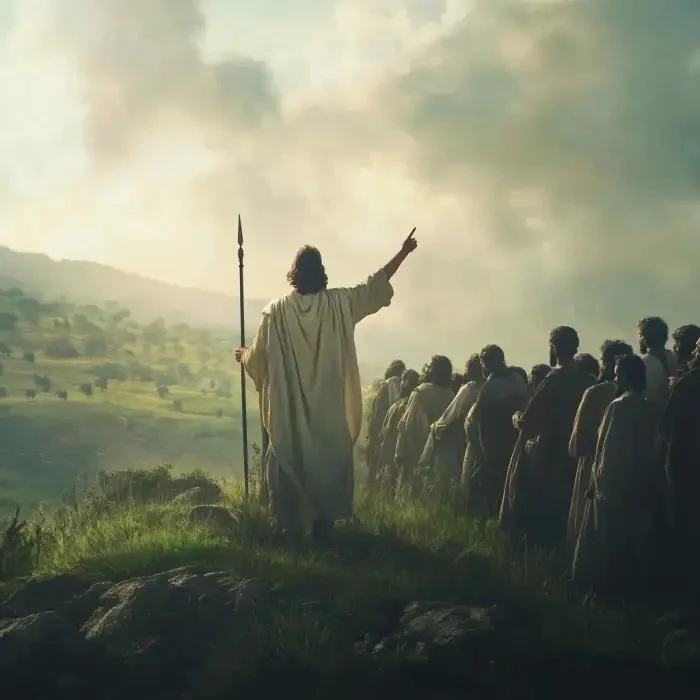
Isaiah: Prophecy, Holiness, and Destiny

7 daysfreedomisraelsalvationempowerment

Explore the profound teachings of the Prophet Isaiah in a week-long journey that dives into the themes of holiness, destiny, and the prophecies about Jesus' sacrifice. Each day is designed to deepen your understanding of God's heart and His plans, enriching your spiritual walk.

Start this plan in Bible Chat

The plan is free to read here. In the app it arrives one day at a time, with the full passage and audio.

What the plan covers

  1. Day 16 min

    The Call of Isaiah

    Passages: Isaiah 6:1-3 · Isaiah 6:8

    The opening of Isaiah 6 provides us a majestic view of God's holiness as witnessed by Isaiah. The vision occurs at a pivotal moment – the year King Uzziah died, marking a significant transition in leadership and spiritual state of the nation. Isaiah's encounter with the Lord is transformative, revealing the awe-inspiring holiness of God as His glory fills the temple. The seraphim, celestial beings, cover themselves in reverence of God’s purity, crying out about His holiness, emphasizing its completeness and the profound impact of His presence that fills the earth. This vision is a dramatic calling of Isaiah to his prophetic ministry. When the Lord asks, “Whom shall I send, and who will go for Us?” Isaiah’s response, “Here I am! Send me,” signifies his readiness and willingness to serve. It reflects a pivotal moment of submission and commitment to God’s call. This passage invites us to reflect on our own experiences of God’s call. It challenges us to consider how we respond to His initiatives in our lives. Are we ready and willing to say, “Here I am, send me”? This narrative not only underscores the holiness of God but also illustrates His desire to involve us in His divine plans. God’s call is personal and purposeful, and our response to it can shape the course of our lives and impact on others. It’s essential to recognize that like Isaiah, our encounter with God’s holiness is both a privilege and a transformative experience that prepares us for the tasks He sets before us. Reflection: Consider how you have experienced God’s call in your life. What are the areas where He is currently asking you to serve? Are you ready to respond with the same willingness as Isaiah? Reflect on the holiness of God and let it inspire a deeper commitment and readiness in your spirit to be used by Him.

  2. Day 25 min

    Holiness Defined

    Passages: Isaiah 6:5 · Isaiah 29:23

    In Isaiah 6:5, we witness a profound moment of realization and transformation in the life of the Prophet Isaiah. Upon encountering the holiness of God, Isaiah becomes acutely aware of his own sinfulness and the sinfulness of his people. This encounter is not just about fear; it's about recognizing the vast gap between God's purity and human impurity. Isaiah's declaration, 'Woe is me, for I am undone!' is a powerful expression of the overwhelming impact of God's holiness. It's a pivotal moment where personal inadequacy meets divine perfection. In contrast, Isaiah 29:23 speaks to the transformative power of recognizing God's handiwork in one's progeny, leading to a reverent hallowing of God's name by the generations. This hallowing is not born out of fear alone but out of a recognition of God's ongoing work and presence in the lives of His people. It shows a cycle of recognition, respect, and reverence that passes through generations, rooted in the visible evidence of God's activities in our lives. These passages together teach us that true encounters with holiness don't just lead to a momentary sense of awe or fear, but to a lasting transformation that affects not only us but those around us and after us. Isaiah's personal transformation led him to prophesy in a manner that would turn many back to God, and the people's transformation would continue to sanctify God's name among the future generations. Reflection: Consider your own experiences of God's holiness. How have these moments changed you? Are there areas in your life where you feel 'undone' and in need of God's transforming touch? Reflect on how you can live in such a way that hallowing God's name becomes a part of your legacy, influencing not just your life but also those of future generations.
  3. Day 36 min

    Destiny and Service

    Passages: Isaiah 49:1-3 · Isaiah 49:5

    In Isaiah 49:1-3, the Prophet Isaiah gives us a profound insight into the divine calling and preparation of God's servant. The imagery is vivid: a mouth like a sharp sword, hidden in the shadow of God's hand, and made a polished shaft in His quiver. This passage speaks of God’s meticulous preparation and protection of His chosen instruments. It reminds us that God equips those He calls with the necessary tools and gifts, often preparing them from birth for the tasks ahead. This notion of being 'hidden' suggests a period of development and waiting - a time when God prepares us out of sight, refining our skills and shaping our character for future purposes. Isaiah 49:5 continues this theme of destiny and service. It emphasizes that the servant is formed from the womb to bring back Jacob and gather Israel to God. This mission, though grand, is supported by a profound trust in God’s strength. The phrase 'I shall be glorious in the eyes of the Lord' highlights the servant’s reliance on God rather than on personal glory or strength. It teaches us about the nature of true service - one that is rooted in humility and dependence on God, aimed at bringing others back to Him. The passages from Isaiah 49 offer a powerful message about our own lives. They invite us to consider how God has been preparing us, sometimes even from before our conscious understanding, for the roles we are to play in His divine plan. Like the servant in Isaiah, each of us is equipped and strengthened by God, destined to serve in ways that fulfill His purposes and bring glory to His name. Reflection: As you reflect on these verses, think about the areas in your life where you might be 'hidden' or in a period of preparation. How can you embrace this time of being shaped and polished by God? Consider the destiny God might be preparing you for, and ask for the faith to lean on His strength rather than your own as you serve Him and others.
  4. Day 46 min

    Prophecy of the Suffering Servant

    Passages: Isaiah 53:3-5 · Isaiah 53:7

    Today, we delve into one of the most profound and moving passages in the Bible, Isaiah 53:3-5 and 53:7, where the prophet Isaiah foretells the suffering of Christ. This prophecy, written centuries before Christ's birth, outlines the depth of suffering He would endure for our sake. Isaiah describes Jesus as 'despised and rejected by men, a Man of sorrows and acquainted with grief.' This vivid depiction shows us the human side of Jesus, who experienced deep sorrow and rejection. His suffering was not just physical but also emotional and social. The rejection He faced was a part of the burden He carried, bearing our griefs and carrying our sorrows. In these actions, Isaiah highlights the substitutionary nature of Christ's suffering—He took upon Himself the griefs and sorrows that were rightfully ours. The passage continues, 'He was wounded for our transgressions, He was bruised for our iniquities.' Each phrase underscores the sacrificial and redemptive purpose of His afflictions. The 'chastisement for our peace was upon Him,' indicating that the punishments meant to bring us peace were laid on Him. His wounds bring about our healing, both spiritually and eternally. This is the crux of the gospel message—the ultimate love act of Jesus taking our place to restore our relationship with God. In Isaiah 53:7, the imagery of a lamb led to slaughter captures the meekness and humility of Christ during His trials and crucifixion. Despite being innocent, He did not protest or defend Himself. His silence in the face of oppression and affliction speaks volumes about His submission to God's will and His resolve to fulfill His redemptive mission. Reflection: As we reflect on these passages, let us contemplate the magnitude of Jesus' sacrifice. How does understanding the depth of His suffering impact your relationship with Him? Are there areas in your life where you can mirror His humility and sacrificial love? Let this understanding deepen your gratitude and commitment to live in a way that honors His sacrifice.
  5. Day 56 min

    God's Heart for Us

    Passages: Isaiah 54:10 · Isaiah 55:3

    In the book of Isaiah, we find some of the most comforting assurances of God's unwavering love and fidelity toward us. Isaiah 54:10 and 55:3, in particular, encapsulate the depth of God's promises, offering a profound sense of security and hope. Isaiah 54:10 reassures us that, though the physical world around us may change, God's kindness and peace will never be removed from us. This verse serves as a powerful reminder of the permanence of God's commitment compared to the fleeting nature of earthly circumstances. The imagery of unmovable mountains and hills being subject to change, yet God's covenant of peace remaining unshaken, is particularly striking. It challenges us to view our spiritual relationship with God as the most stable and enduring part of our existence. Moving to Isaiah 55:3, we see an invitation that is both gentle and compelling. God calls us to actively listen and come closer to Him so that our souls may thrive. This verse underscores the life-giving power of God's word and His desire to enter into an 'everlasting covenant' with us, marked by the 'sure mercies of David.' These mercies refer to the promises made to David regarding an eternal kingdom, which we understand, through the New Testament, is fulfilled in Jesus Christ. This covenant is not just a historical or theological fact; it is a living, breathing promise that impacts our daily lives, offering redemption and renewal. Reflection: In today's world, where uncertainty often clouds our horizon, how comforting is it to know that God's kindness and peace are as assured as His very existence? As you meditate on these verses, consider the areas of your life where you may have felt abandoned or shaken. Reflect on how understanding God's unchangeable nature and His everlasting covenant can transform your perspective on these situations. Allow the certainty of His promises to fortify your faith and bring peace to your heart.
  6. Day 66 min

    A Call to Righteous Living

    Passages: Isaiah 1:16-17 · Isaiah 1:18

    In Isaiah 1:16-17, we encounter a direct and urgent call from God to His people, urging them to cleanse themselves not just externally but internally. This purification involves rejecting evil and embracing righteousness, justice, and compassion. God's command to 'Wash yourselves, make yourselves clean' is not merely about physical cleanliness but about a profound spiritual renewal. It's a call to transform our actions and align our lives with God's standards of holiness and goodness. The phrase 'Cease to do evil, Learn to do good; Seek justice, Rebuke the oppressor; Defend the fatherless, Plead for the widow' highlights specific areas where God's people are failing. These instructions go beyond personal morality; they call for active engagement in social justice, defending those who cannot defend themselves, and challenging systems of oppression. This reflects God’s heart for the downtrodden and His desire for His followers to be agents of change in the world. Isaiah 1:18 offers a beautiful image of forgiveness and redemption. 'Though your sins are like scarlet, They shall be as white as snow; Though they are red like crimson, They shall be as wool.' Here, God invites us to reason with Him, to come into a dialogue about our lives. This is not a God who is distant and condemning but one who is approachable and eager to cleanse us from our sins. The vivid imagery of scarlet sins turned into white snow illustrates the complete transformation and forgiveness that God offers. This passage is a powerful reminder that our spiritual cleanliness and moral integrity are paramount in our relationship with God. It challenges us to reflect on our personal and communal lives critically, urging us to make necessary changes that align more closely with God's will. The invitation to dialogue with God about our sins and receive forgiveness is an incredible expression of His grace and mercy. Reflection: As you reflect on these verses, consider areas in your own life where you need to 'wash yourselves, make yourselves clean.' How can you engage more actively in seeking justice and defending the oppressed? Take this time to 'reason together' with God, allowing Him to transform and renew your heart and actions.
  7. Day 75 min

    The Promise of Redemption

    Passages: Isaiah 43:1 · Isaiah 43:11

    Today, as we conclude our journey through the profound teachings of Isaiah, we focus on the comforting promise of God's redemption. This assurance from the Lord is deeply personal and powerful, offering a foundation of security and hope. In Isaiah 43:1, the Lord speaks directly to His people, affirming His act of creation and redemption. The phrase 'Fear not, for I have redeemed you; I have called you by your name; You are Mine,' highlights a personal relationship between God and His people. This verse reassures us that God knows us intimately, calls us by name, and claims us as His own. This act of redemption is not just a general offer but a customized promise, tailored to each of us individually. Furthermore, Isaiah 43:11 declares, 'I, even I, am the Lord, and besides Me there is no savior.' This emphasizes the exclusivity of God's role as the Savior. In a world where people often look to various sources for salvation, this verse redirects our focus solely to the Lord, reinforcing that true salvation can only come from Him. This truth encourages us to depend wholly on God, rejecting any temptation to find security in anything or anyone else. As you reflect on these verses, consider the depth of God’s love and commitment to you. His redemption is not just a historical event; it is an ongoing, personal engagement in each of our lives. God is consistently present, guiding, protecting, and affirming His love for us. Reflection: How do the truths in these verses about God’s personal redemption and unique role as Savior impact your life today? Consider the security and hope you derive from knowing that you are personally known and saved by God. Let this understanding deepen your trust in Him and influence how you live out your faith daily.