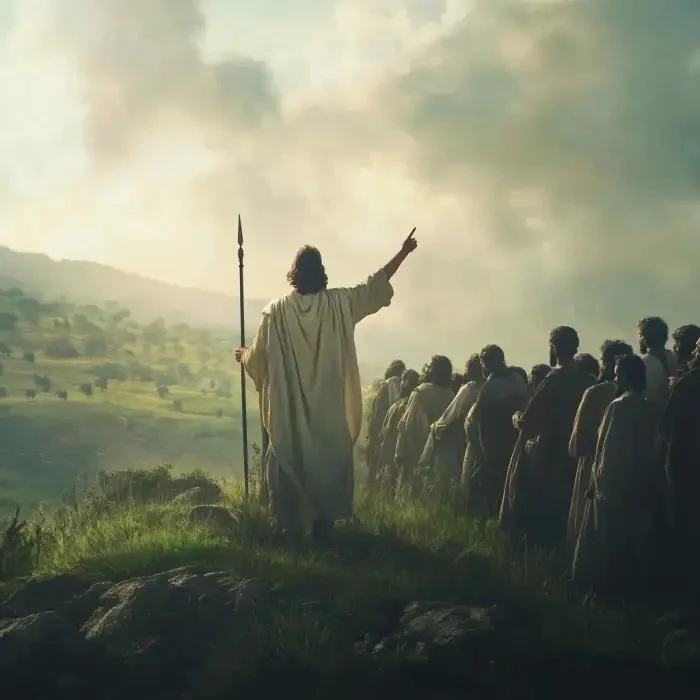
Elisha: A journey of faith

7 daysvaluesfreedomisraelsalvation

This 7-day Bible study delves into the life of Prophet Elisha, exploring his call, destiny, the miracles he performed, and the virtues of faithfulness, perseverance, and character that defined his ministry. Each day focuses on a different aspect of his life, offering insights and reflections to inspire your own spiritual journey.

Start this plan in Bible Chat

The plan is free to read here. In the app it arrives one day at a time, with the full passage and audio.

What the plan covers

  1. Day 16 min

    The Call of Elisha

    Passages: 1 Kings 19:19-21 · 2 Kings 2:9-10

    Today we embark on a journey exploring the significant moment when Elisha received his prophetic call. This event marked not only a personal transformation for Elisha but also a pivotal continuation of God's work through the prophets. In 1 Kings 19:19-21, we see Elijah, the great prophet, passing his mantle to Elisha. This action symbolizes the transfer of prophetic authority. Elisha’s response is profound; he slaughters his yoke of oxen, effectively cutting ties with his past life, and follows Elijah. This decisive act demonstrates his total commitment and readiness to serve God, emphasizing the sacrifices involved in answering God’s call. In 2 Kings 2:9-10, as Elijah’s time on earth draws to a close, Elisha asks for a 'double portion' of Elijah’s spirit. This request highlights his desire not just to continue Elijah’s work but to excel in his divine calling. Elijah’s response, conditional on Elisha witnessing his departure, underscores the biblical theme that spiritual gifts and callings demand faithfulness and spiritual alertness. Elisha’s journey begins with a clear demonstration of devotion and a request for empowerment, setting a foundation for his impactful ministry. These passages challenge us to consider our own response to God's call. Like Elisha, we are often asked to leave behind the familiar and step into the unknown, trusting in God's plan. The decision to follow this call requires courage, readiness to sacrifice, and a heart willing to serve. Reflection: As you reflect on Elisha's call and commitment, think about the areas in your life where God might be calling you to make a sacrifice or a change. Are there things you need to leave behind to fully embrace God’s plan for you? How can you seek a 'double portion' of God’s spirit in your own life to serve Him more faithfully?

  2. Day 26 min

    Elisha's First Miracles

    Passages: 2 Kings 2:19-22 · 2 Kings 2:23-24

    Today, we delve into two significant events that marked the beginning of Elisha's ministry. These miracles not only demonstrate his prophetic authority but also set a tone for his transformative impact. The first miracle in 2 Kings 2:19-22 shows Elisha addressing a practical need within the community. The waters of Jericho were harmful, causing death and barrenness. Elisha's intervention, using salt in a new bowl as a symbolic act, signified purification and healing. This action was not just a physical correction but a restoration of life to the land. It highlights the theme that God’s intervention, through His prophet, brings life and healing to what was previously death and despair. The second event from 2 Kings 2:23-24 might seem harsh at first glance. Elisha's curse on the mocking youths results in a severe punishment. This incident underscores the seriousness with which God’s calling and His messengers are to be received. It serves as a stern warning against the disrespect and mockery of God’s anointed ones. While the outcome is tragic, it reinforces the fear of the Lord and the respect that is due to those He appoints. These narratives invite us to reflect on the power and sanctity of God's work through His prophets. Elisha, as a vessel of God’s power, was equipped to bring both healing and judgment. His actions remind us of the dual aspects of God's nature—merciful and just. Reflection: As we ponder these miracles by Elisha, let us consider our own reception of God’s work in our lives. Do we recognize and respect the divine interventions and the messengers God sends our way? Are we prepared to receive His healing and also heed His corrections? Let these reflections guide us to a deeper reverence and responsiveness to God’s presence and activity in our daily lives.
  3. Day 38 min

    Faithfulness in Ministry

    Passages: 2 Kings 4:1-7 · 2 Kings 5:10-14

    In our journey through the life of Elisha, today we focus on his faithfulness in ministry, as demonstrated in two pivotal moments. In the first, a widow approaches Elisha in a dire situation. Elisha's response is not only immediate but filled with faith. He instructs her to gather empty vessels and pour out the little oil she has, which miraculously multiplies. This miracle shows Elisha's faith in God's provision and his role in directing others to trust in God's abundance. In the second scenario, Naaman, a respected Syrian commander, seeks healing from his leprosy. Elisha's instructions are simple yet profound, challenging Naaman's expectations of how healing should occur. Elisha's faithfulness is evident in his willingness to serve all who come to him, regardless of their status or nationality, embodying obedience and humility. These narratives are not just ancient stories but are filled with lessons for our daily lives. Elisha's interactions remind us that serving God often involves acting in faith, even when the outcomes are uncertain. His faithfulness in following God's instructions provides a blueprint for our own service. Reflection: As we reflect on these passages, consider your own ministry or service areas. Are there times when you feel your resources are too small or your challenges too great? Elisha's story encourages us to trust in God's provision. It challenges us to remain obedient and faithful, knowing that God often works in unexpected ways. How can you demonstrate faithfulness in your service today?
  4. Day 47 min

    The Power of Perseverance

    Passages: 2 Kings 6:15-17 · 2 Kings 6:32-33

    In today's study, we delve into the remarkable perseverance of Elisha amidst daunting adversities, as highlighted in the episodes from 2 Kings 6:15-17 and 6:32-33. The first passage reveals a moment of crisis when Elisha and his servant are surrounded by an enemy army. The servant is overwhelmed by fear, but Elisha remains calm, his faith unwavering. He prays for his servant's eyes to be opened to God's protective presence—chariots of fire surrounding them, unseen by the human eye. This narrative teaches us the power of spiritual perception—recognizing God's presence and protection even when physical circumstances suggest otherwise. The second passage paints a contrasting picture of human frailty. The king of Israel, faced with siege and famine, quickly succumbs to despair, blaming the Lord for the calamity and losing patience in waiting for divine intervention. Elisha, on the other hand, remains composed and confident in God's timing, despite the threat to his own life. Here, Elisha exemplifies the virtue of perseverance—not just in physical endurance, but in maintaining faith and integrity under pressure. Elisha's responses to these crises underscore a crucial lesson for us: the essence of true perseverance is not just surviving through trials, but thriving by seeing beyond the immediate troubles with eyes of faith. His attitude teaches us that our spiritual perspective can dramatically alter our emotional and mental responses to challenges. Reflection: As we reflect on these passages, consider your own challenges and adversities. Are there areas in your life where you feel surrounded or threatened? How can Elisha's faith inspire you to seek a higher perspective, to see God's 'chariots of fire' around you? Perseverance, rooted in faith, transforms our darkest hours into moments of profound spiritual insight and strength.
  5. Day 58 min

    Miracles of Multiplication

    Passages: 2 Kings 4:42-44 · 2 Kings 4:12-17

    Today's study highlights the remarkable miracles of multiplication performed through Elisha, emphasizing God's provision and the impact of divine intervention in human affairs. In 2 Kings 4:42-44, we encounter a miraculous feeding of one hundred men with only twenty loaves of barley bread and some grain. This event parallels the miraculous feedings performed by Jesus, underscoring a profound theme across the scriptures: God's ability to multiply our meager offerings into abundance. Elisha's servant doubted the possibility, but Elisha's faith in God's word proved that not only would they have enough, but they would have leftovers. This story teaches us about God's generous nature and His ability to provide beyond our expectations when we obey His commands. In 2 Kings 4:12-17, the narrative shifts to a personal miracle for the Shunammite woman. Elisha's regular visits to Shunem resulted in a deep bond with the woman and her family, who recognized him as a man of God and provided for his needs. In return, moved by God's compassion and the woman's hospitality, Elisha prophesied that she would bear a son, despite her doubtful response. This account not only highlights the reciprocal blessings of hospitality but also God's intimate care and involvement in the desires and pains of our lives. The prophecy was fulfilled, showing God's faithfulness to His word and His power to orchestrate events beyond human capability or expectation. Reflection: Through these narratives, we are invited to reflect on our own experiences of scarcity and hospitality. Have there been moments when you felt that what you had was too little to serve God or others? How can you cultivate a faith that trusts in God's multiplication of your small offerings? Moreover, consider how you might extend hospitality or kindness in a way that invites God's miraculous intervention in your life or in the lives of others. These stories from Elisha's life encourage us to expect the unexpected from God, who delights in providing abundantly and fulfilling His promises in extraordinary ways.
  6. Day 65 min

    Character in Leadership

    Passages: 2 Kings 5:15-16 · 2 Kings 5:26-27

    Today's study brings us closer to understanding the profound character of Elisha, particularly through his interactions with Naaman, a powerful military commander. After Naaman is healed from leprosy by following Elisha's instructions, he attempts to give Elisha gifts as a token of gratitude. Elisha's refusal of these gifts, as noted in 2 Kings 5:15-16, is a testament to his integrity and commitment to serving God without personal gain. This moment underscores a critical lesson in leadership: true service is not for personal enrichment but for glorifying God. In 2 Kings 5:26-27, the narrative shifts to Gehazi, Elisha's servant, who, unlike Elisha, succumbs to greed. Gehazi's deceit in secretly accepting gifts from Naaman, which Elisha prophetically perceives, results in him receiving Naaman's leprosy. This part of the story serves as a stark warning about the consequences of straying from the path of righteousness, especially for those in positions of influence and trust. Elisha's actions teach us the importance of maintaining integrity, especially when faced with temptations of material gain or success. His life prompts a reflection on our motivations and actions in positions of leadership or influence. Are they aligned with God's will, or are they driven by personal desires? Reflection: As you reflect on Elisha's character and decisions, consider your own responses to success and temptation. How do you handle the gifts and blessings God has placed in your life? Are they channels through which God's glory is revealed, or do they become sources of personal pride and greed? Let Elisha's example inspire a deeper commitment to lead with integrity and humility, prioritizing God's glory above all.
  7. Day 76 min

    Legacy of Faith

    Passages: 2 Kings 13:20-21 · 2 Kings 2:11-12

    As we conclude our journey through the life of Elisha, we reflect on the profound legacy he left behind, a testament to his faith and the power of God working through him. Even in death, Elisha's life continued to be a source of miraculous power, as demonstrated in 2 Kings 13:20-21. The resurrection of the man who touched Elisha’s bones speaks volumes about the lasting impact of a life dedicated to serving God. This event symbolizes that the work and spirit of a faithful servant of God carry on, even beyond their physical presence on earth. In 2 Kings 2:11-12, the dramatic ascension of Elijah in the whirlwind and the passing of his prophetic mantle to Elisha are pivotal. Elisha’s reaction, tearing his clothes in grief yet also inheriting the double portion of Elijah's spirit, showcases the deep emotional and spiritual connection between the mentor and the disciple. This moment not only marks the continuation of Elijah’s legacy but also sets the stage for Elisha’s future impact, illustrating the importance of spiritual succession and mentorship in faith. These passages encourage us to ponder the legacy we are currently building with our lives. Elisha’s story teaches us that our influence can extend far beyond our earthly existence, through the people we touch, the faith we exhibit, and the God we serve. His life challenges us to live in such a way that our legacy will be one of faith, hope, and love, leaving a lasting impact that continues to bear fruit even after we are gone. Reflection: What kind of legacy are you building? Are you investing in others, living out your faith boldly, and leaving a mark that will outlast your time on earth? Let Elisha’s life inspire you to consider how the echoes of your faithfulness can resonate even after your journey on earth concludes.