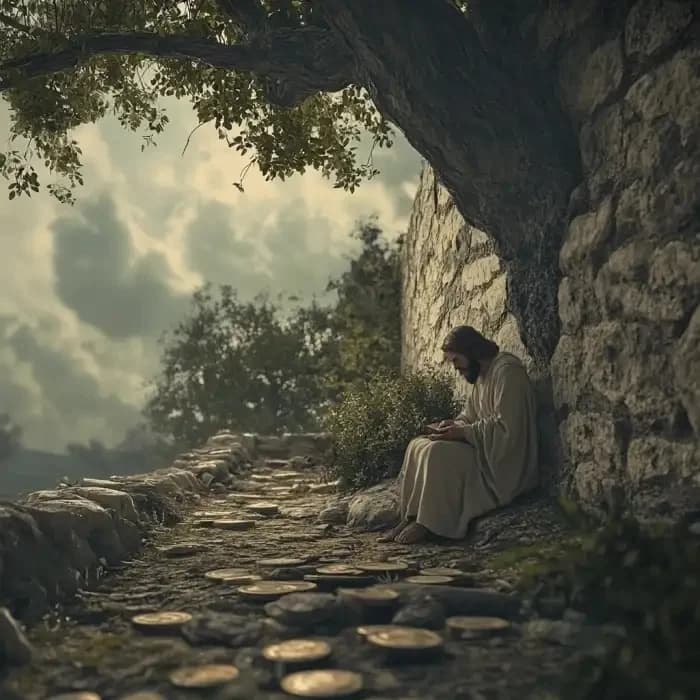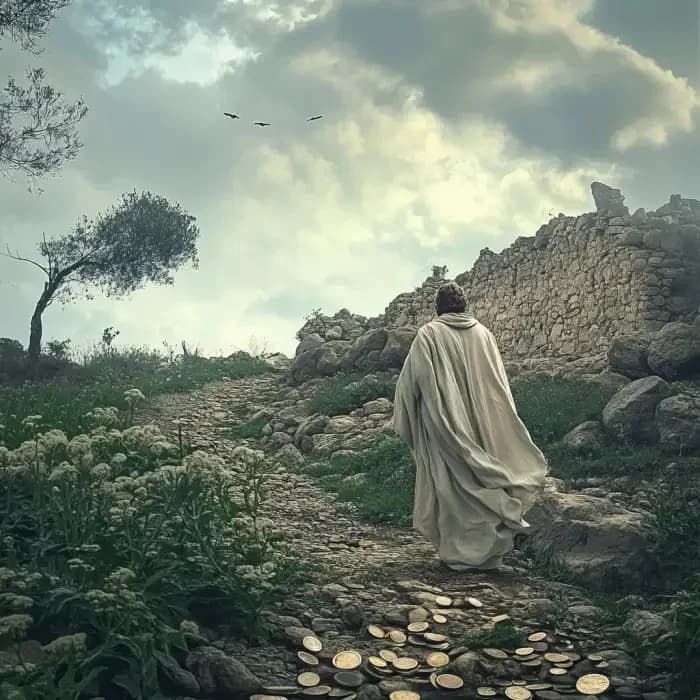
Ezekiel: A call to courage

7 daysempowermentfreedomisraelfaith

This seven-day Bible study explores the life of the prophet Ezekiel, focusing on themes of courage, boldness, faith, and destiny. As we delve into his calling and interactions with the people of Israel, we'll discover how his experiences can inspire and guide us in our own spiritual journeys.

Start this plan in Bible Chat

The plan is free to read here. In the app it arrives one day at a time, with the full passage and audio.

What the plan covers

  1. Day 16 min

    The Calling of Ezekiel

    Passages: Ezekiel 1:1-3 · Ezekiel 2:1-2

    In the opening of the Book of Ezekiel, we are introduced to Ezekiel, a priest living in exile by the River Chebar. The scene is vivid and mystical, filled with the imagery of the heavens opening and visions of God. This profound experience marks a pivotal moment in Ezekiel's life, as he receives his divine calling. The expression 'the heavens were opened' suggests a rare and significant revelation from God. It is a moment of both awe and clarity for Ezekiel, as he is chosen to deliver God’s messages. This supernatural vision signifies not just any calling, but a profound mandate from the Almighty. Ezekiel is to act as a conduit between God and the people of Israel, a role both daunting and exalted. As we move to Ezekiel 2:1-2, the interaction becomes even more personal. God addresses Ezekiel directly as 'Son of man,' a term that emphasizes his humanity yet calls him to a task that is beyond ordinary human endeavors. The Spirit entering Ezekiel as God speaks to him demonstrates the empowerment necessary for the tasks ahead. It is not by his power that Ezekiel will fulfill his role; rather, it is through the strength and authority given by God. This narrative is not just about the calling of a prophet; it is about the transformation of a person. Ezekiel represents each of us in our journey through life’s spiritual callings. Often, we find ourselves in places we did not expect, like Ezekiel by the River Chebar. Yet, it is in these moments that God might choose to reveal our mission and purpose. Reflection: As you reflect on Ezekiel’s calling, consider the places in your life where you feel God might be revealing His plans for you. What visions has He given you? How are you being called to stand 'on your feet' and respond to His voice? The story of Ezekiel encourages us to be receptive and ready, for the moments of our calling may come when we least expect them.
  2. Day 25 min

    The Responsibility of the Call

    Passages: Ezekiel 2:3-5 · Ezekiel 3:17

    In Ezekiel 2:3-5, we witness the gravity of Ezekiel's calling. God doesn't soften the mission; He openly declares that Ezekiel is being sent to a 'rebellious nation.' This sets the stage for understanding not just the difficulty of Ezekiel's task but its critical nature. The usage of 'rebellious' and 'impudent and stubborn' underscores the hardened hearts of the people, highlighting the formidable challenge Ezekiel faced. Yet, these words also reveal God's unyielding desire to reach His people, regardless of their obstinacy. Ezekiel 3:17 further elevates the weight of Ezekiel’s responsibility. Being appointed as a 'watchman' places him in a position of both privilege and heavy duty. A watchman's role is pivotal; he must alert the city to impending dangers. Similarly, Ezekiel must warn the Israelites of spiritual dangers and the consequences of their disobedience. This metaphor not only clarifies Ezekiel's role but also stresses the importance of vigilance in his prophetic ministry. The combination of these passages teaches us about the nature of divine callings. They are not merely assignments; they are sacred responsibilities entrusted by God to His chosen instruments. Ezekiel’s example teaches us that following God’s call requires courage, readiness to face resistance, and unwavering faith. His mission was daunting, yet his commitment to obey reflects his trust in God’s sovereign power and perfect plan. Reflection: The story of Ezekiel challenges us to reflect on our own spiritual responsibilities. Are we, like Ezekiel, willing to accept God's call, regardless of its difficulty and the hardness of the hearts we might encounter? Let us consider how we can be watchful and courageous messengers in our own contexts, holding fast to faith and the truth of God’s word.
  3. Day 36 min

    A Prophet’s Courage

    Passages: Ezekiel 3:8-9 · Ezekiel 3:14-15

    In these passages from Ezekiel, we witness the transformative power of divine strength when confronting great challenges. God prepares Ezekiel not by removing obstacles from his path, but by fortifying his spirit and resolve, making him as 'adamant stone, harder than flint.' This imagery is profound, depicting the necessary hardness against opposition, so that fear and dismay do not deter God’s messenger. It teaches us that the divine calling often comes with divine empowerment, tailored to the trials we will face. Ezekiel’s reaction to being spiritually lifted and taken away reflects a mixed emotional state—'bitterness' and 'heat of my spirit.' This suggests that even the chosen prophets struggled with their emotions in the face of daunting tasks. Yet, significantly, 'the hand of the Lord was strong upon me' emphasizes that it is not by our strength but by God’s that we carry our burdens and fulfill our missions. This is a critical lesson in reliance on divine strength rather than our own. Moreover, Ezekiel's arrival at Tel Abib and his sitting among the captives 'astonished' for seven days illustrates a profound empathy and solidarity with those he is called to minister. It shows that part of our calling may require us to deeply immerse ourselves in the lives of those we are sent to, understanding their struggles and standing with them in their trials. This is an essential aspect of courageous ministry—true empathy and commitment to being present in the lives of others. Reflection: Today, let us consider how we might be called to show courage in our own lives. Are there situations where we feel overwhelmed or fearful? How can we seek God’s strength in these moments? Like Ezekiel, are there places in our community where we need to sit and listen, to truly understand and empathize? Let’s reflect on the strength God provides not just to endure, but to actively engage and transform the challenges we face.
  4. Day 46 min

    The Vision of the Valley of Dry Bones

    Passages: Ezekiel 37:1-3 · Ezekiel 37:4-5

    Today, we explore one of the most visually striking and symbolically rich prophecies in the Bible—the vision of the Valley of Dry Bones. This vision given to Ezekiel is not just a dramatic display of God’s power but also a profound message of hope and renewal. The setting is a valley filled with dry bones, which represent the desolation and hopelessness of Israel during its exile. The bones are 'very dry,' indicating that all natural hope is lost. Yet, it is here, in the place of utter desolation, that God asks Ezekiel a poignant question: 'Can these bones live?' This question challenges Ezekiel (and us) to look beyond the present reality to the possibilities that faith in God’s power can bring. Ezekiel’s response, 'O Lord God, You know,' reflects a posture of humility and dependence on God. He doesn’t claim to know the answer, but he trusts that God knows and can bring life to the lifeless. This response invites us to trust God's sovereignty and power in our situations, no matter how impossible they seem. When commanded to prophesy to the bones, Ezekiel participates in the miracle. This act of speaking life into death serves as a powerful reminder that our words, when aligned with God’s will, carry tremendous power. As Ezekiel prophesies, we see the promise of restoration—not just physical, but spiritual. God’s promise to 'cause breath to enter into you, and you shall live' speaks of reviving spirit and hope in the midst of despair. Reflection: Consider the 'dry bones' in your own life—situations or dreams you deem too far gone to recover. How can Ezekiel’s story inspire you to speak life and hope into these areas? Just as the Lord guided Ezekiel, He is with us, calling us to trust in His power to bring life where there is death. Let us lean into our faith, speaking hope into the desolate areas of our lives, trusting in God's promise of renewal and restoration.
  5. Day 55 min

    Prophesying to the Nations

    Passages: Ezekiel 25:1-3 · Ezekiel 28:25-26

    Today, we delve into the boldness of Ezekiel's prophetic ministry as he addresses nations beyond Israel. In Ezekiel 25:1-3, we see the prophet setting his face against the Ammonites, delivering a message of divine judgment. This passage emphasizes the seriousness of disrespecting sacred things, as the Ammonites rejoiced over the misfortunes of Israel. Their lack of empathy and mockery during Israel's darkest hours did not go unnoticed by God. Ezekiel’s role extended beyond the borders of Israel, as he was also a messenger to the neighboring nations. This teaches us about the broader scope of God’s concern and justice, which encompasses all nations, not just His chosen people. Prophesying against other nations required immense courage and a firm conviction in the truth of God’s word, knowing well that these messages might not be well-received. In Ezekiel 28:25-26, the tone shifts to one of hope and restoration. Here, God promises that Israel will be gathered from among the peoples where they were scattered. This prophecy assures that despite current afflictions and the disdain of neighbors, Israel’s future is one of security and prosperity, underpinned by God’s protective judgments against those who despise them. This contrast of judgment and promise illustrates a profound principle: God's justice and mercy are two sides of the same coin. His judgments are not merely punitive; they pave the way for restoration and peace. Reflection: As we reflect on these passages, consider the boldness required to stand for truth, even when it's uncomfortable or unpopular. Think about the areas in your life where you might be called to speak truth into situations beyond your immediate community. How can you do so with courage, rooted in a deep understanding of God's justice and mercy?
  6. Day 66 min

    The Renewal of Israel

    Passages: Ezekiel 36:24-26 · Ezekiel 36:33-35

    In today's study, we encounter the profound promises of God towards the restoration of Israel through the prophet Ezekiel. These promises are not just about physical restoration but also spiritual renewal, which is significant for understanding God's redemptive plan for His people. The verses from Ezekiel 36:24-26 illustrate a transformative process. God promises to gather Israel from the nations, a symbolic act of His unending commitment to His people. The 'sprinkling of clean water' represents purification from past transgressions and idolatries, which had led to their exile. This cleansing is both external and internal, as God not only changes their circumstances but also their hearts. The 'new heart' and 'new spirit' signify a profound internal transformation, moving from a 'heart of stone' to a 'heart of flesh.' This change is essential for the people to respond to God’s love and to live according to His will. Ezekiel 36:33-35 speaks to the physical restoration of Israel's land and cities. This prophecy is powerful as it foresees a time when desolate places will thrive like 'the garden of Eden.' This not only indicates a return to their former glory but also a surpassing of it. The restoration of the land serves as a tangible sign of God's power to redeem and restore what was lost or destroyed. It reassures the people of God’s presence and commitment, offering hope and a future. These passages are not just historical; they resonate with us today. They remind us of God's ability to cleanse, renew, and restore. Whether it's personal struggles, broken relationships, or communal hardships, God's promises of renewal give us hope. The transformation from a 'heart of stone' to a 'heart of flesh' invites us to remain open to the transformative work of the Holy Spirit in our lives. Reflection: As you reflect on these verses, consider the areas in your life that need renewal or restoration. How can you cooperate with God’s spirit to bring about transformation in your heart and in your surroundings? Let these promises of renewal inspire you to seek a deeper relationship with God, trusting that He can make all things new.
  7. Day 76 min

    Living Out Our Destiny

    Passages: Ezekiel 33:31-32 · Ezekiel 33:33

    In today's passages, Ezekiel confronts a profound reality that many religious leaders face: the challenge of being heard but not truly listened to. In Ezekiel 33:31-32, the prophet expresses the frustration of speaking truths that are appreciated like a beautiful song rather than directives for life transformation. People enjoy the melody of his words, but their actions remain unchanged because their hearts are set on their own desires. This reflects a superficial engagement with divine truth, a barrier to genuine spiritual growth and transformation. Ezekiel’s message in these verses is a call to authenticity in our faith journey. It’s easy to be drawn to the beauty of scripture or the charisma of a preacher and miss the call to deep, personal change. Ezekiel challenges us to reflect on whether our engagement with God's Word is transformative or merely transactional. Are we allowing the Word to penetrate our hearts and change us, or are we just going through the motions? In Ezekiel 33:33, the prophet provides a solemn reminder: the truth of the prophecies will be validated when they come to pass. This introduces an element of accountability to the listeners. It suggests that the realization of truth often comes when we see the consequences of our actions—or inactions—unfold. This prophecy aims to awaken the complacent, urging them to understand the seriousness of the spiritual and communal laws they ignore. Today, let us reflect on how we receive God’s Word. Are we like Ezekiel’s audience, enjoying the rhythm but ignoring the steps? How can we ensure that our faith is not just heard but lived? As we conclude our journey through Ezekiel's life, let us seek to embody the courage and conviction he displayed, not just in moments of grandeur but in the quiet, daily decisions that shape our destiny. Reflection: Today, consider your own spiritual journey. Are there areas in your life where you've been content with merely 'hearing' God’s Word without integrating it into your actions? How can you move from passive listening to active living, ensuring that your faith is not only professed but also practiced, thereby fulfilling your God-ordained destiny?