Cultivating Humility

7 days

This 7-day Bible study will guide you through key biblical principles on humility, building character, meekness, obedience to God, respect for self and others, and modesty. Each day focuses on different aspects to help you grow spiritually and become more Christ-like.

Build your own daily plan

This plan is free to read here. In the app, Bible Chat builds a plan around what you are actually facing — a day at a time, with the full passage and audio.

What this plan helps with

Each day takes one part of it.

  1. 1The Call to HumilityThe Call to Humility
  2. 2Building Godly CharacterBuilding Godly Character
  3. 3Blessed are the MeekBlessed are the Meek
  4. 4Obedience to GodObedience to God
  5. 5Respect for Self and OthersRespect for Self and Others
  6. 6Embracing ModestyEmbracing Modesty
  7. 7Jesus' Example of HumilityJesus' Example of Humility

What the plan covers

7 days · Free Bible Version

1

The Call to Humility

6 min
5Young people, do what the elders tell you. Indeed all of you should serve one another in humility, because “God is against the proud, but favors the humble.” 6Humble yourself before God's powerful hand so that he will lift you up at the appropriate time. 7Surrender all your worries to him, because he cares for you.
1 Peter 5:5-7
Those who make themselves great will be humbled, and those who humble themselves will be made great.
Matthew 23:12

In today's verses, we are reminded of the profound importance of humility in our walk with God. In 1 Peter 5:5-7, we are called to submit ourselves to one another and to clothe ourselves with humility. This is not merely a suggestion but a divine mandate because 'God resists the proud, but gives grace to the humble.' Humility is foundational to our relationship with God and others. It involves recognizing our limitations, our need for God, and valuing others above ourselves. When we humble ourselves under God's mighty hand, He promises to exalt us in due time. This exaltation is not about worldly success but about being lifted up in God's perfect timing and way.

Matthew 23:12 echoes this truth by stating, 'And whoever exalts himself will be humbled, and he who humbles himself will be exalted.' Jesus Himself taught that humility precedes honor. This principle is counter-cultural because the world often teaches us to promote ourselves, to seek recognition, and to be assertive. However, Jesus’ teaching flips this notion on its head, showing us that true greatness in God's kingdom comes from humility.

Humility also involves casting all our anxieties on God because He cares for us. Often, pride can make us believe that we must handle everything on our own, but humility acknowledges our dependence on God. It is in this act of surrender that we find peace and strength. By casting our cares upon Him, we trust in His provision and timing.

Reflection

As you meditate on these verses today, consider the areas in your life where pride might be hindering your relationship with God and others. Are there burdens you are carrying that you need to cast upon the Lord? Reflect on how you can practice humility in your daily interactions, valuing others above yourself and trusting in God's timing and care. Remember, true exaltation comes from God, and it’s His hand that lifts us up when we humble ourselves before Him.

2

Building Godly Character

6 min
8Coming in human form, humbling himself, he submitted himself to death—even death on a cross. 9That's why God placed him in the position of greatest honor and power, and gave him the most prestigious name—
Philippians 2:8-9
3Not only this—we also remain confident when problems come, because we know that experiencing problems develops spiritual stamina. 4Spiritual stamina in turn develops a mature character, and this mature character results in confident hope.
Romans 5:3-4

Today, our focus is on building godly character, and we start by examining the supreme example set by Jesus Christ. Philippians 2:8-9 reminds us of Jesus' incredible humility and obedience. He didn’t just obey in trivial matters; He obeyed to the point of death on the cross. This ultimate act of submission and sacrifice led to His exaltation by God. Jesus' obedience is a powerful reminder of how humility and submission to God's will can lead to exaltation and honor.

In our own lives, we are called to follow this example of humility and obedience. It's not always easy to obey, especially when it challenges our comfort zones or personal desires. However, true obedience to God often requires us to lay aside our own plans and trust in His greater purpose. Just as Jesus was exalted for His obedience, we too will find honor and blessing in following God's will.

Romans 5:3-4 further elaborates on the process of character building through perseverance. Paul teaches that tribulations and trials are not to be despised but rather embraced. These challenges are opportunities to develop perseverance. As we persevere, our character is refined, and as our character matures, we gain hope. This hope is rooted in God's promises and His faithfulness to see us through every trial.

Enduring trials is not an easy task, but it is essential for spiritual growth. Each trial we face is a step in the process of molding us into the image of Christ. It's in these moments of challenge that our faith is tested and strengthened. We learn to rely more on God and less on our own strength. As our character is built, we become more resilient and hopeful, knowing that God is working all things for our good.

Reflection

Take a moment to reflect on the trials you are currently facing. How can you see these challenges as opportunities to build your character? Consider the example of Jesus' obedience and how it led to His exaltation. How can you apply this example to your own life? Pray for the strength to persevere through trials and for the wisdom to see God's purpose in them. Remember, each trial is a step towards a stronger, more godly character.

3

Blessed are the Meek

6 min
Blessed are those who are kind for they will own the whole world.
Matthew 5:5
So get rid of all that's filthy and evil. Humbly accept the word that's been implanted within you—for this is what can save you.
James 1:21

In the Beatitudes, Jesus begins His Sermon on the Mount by describing the characteristics of those who are blessed in God's kingdom. One of these characteristics is meekness. Matthew 5:5 tells us, "Blessed are the meek, For they shall inherit the earth." This verse may seem counterintuitive to the world's way of thinking, where power and assertiveness are often valued above gentleness and humility. Yet, in God's kingdom, meekness is a prized attribute.

Meekness is often misunderstood as weakness, but it is far from that. It is about having strength under control, a quiet confidence that is grounded in trust in God. It involves having a humble and gentle attitude towards others, recognizing that we are all equal in God's eyes. True meekness allows us to approach situations with patience and grace, even when we are faced with challenges or opposition.

James 1:21 further elaborates on this by instructing us to, "lay aside all filthiness and overflow of wickedness, and receive with meekness the implanted word, which is able to save your souls." Here, James highlights the importance of humility in receiving God's word. Meekness involves a readiness to listen and a willingness to be taught. It means accepting God's word with an open heart, allowing it to transform us from within. This transformation leads to a deeper relationship with God and a greater ability to reflect His character in our lives.

Reflection

Today, consider how you can embrace meekness in your daily interactions. Are there areas where you tend to react with pride or defensiveness? Ask God to help you cultivate a spirit of meekness, allowing His word to take root in your heart. As you do so, you will find that meekness is not a sign of weakness, but a source of true strength. It will enable you to navigate life's challenges with grace and ultimately inherit the blessings that God has promised.

4

Obedience to God

6 min
and if my people who are called by my name humble themselves and pray and return to me, and turn away from their wicked ways, then I will hear from heaven, forgive their sins, and heal their land.
2 Chronicles 7:14
Jesus replied, “Those who love me will do as I say. My Father will love them, and we will come and make our home with them.
John 14:23

Obedience to God is not merely about following a set of rules; it is a profound act of love and devotion. In 2 Chronicles 7:14, God speaks to Solomon and lays out a clear path for His people: humility, prayer, seeking His face, and turning from wicked ways. This verse encapsulates the essence of repentance and the promise of restoration. When we humble ourselves, we acknowledge our dependence on God. Prayer becomes our lifeline to His will, and seeking His face means pursuing an intimate relationship with Him.

The call to turn from wicked ways is a call to genuine repentance. It requires a transformation of heart and mind, aligning our actions with God's commandments. The promise attached to this obedience is profound: God will hear from heaven, forgive our sins, and heal our land. This is not just a personal promise but a collective one, highlighting the impact of communal repentance and obedience.

In John 14:23, Jesus further emphasizes the connection between love and obedience. He states clearly that if anyone loves Him, they will keep His word. This obedience is not out of fear or obligation but stems from a deep love for Christ. When we obey His teachings, we invite the presence of God into our lives. The promise that the Father and the Son will make their home with us signifies a close, personal fellowship with the Divine. It's a beautiful picture of how our obedience cultivates a living, breathing relationship with God.

Reflection

Consider how you can demonstrate your love for God through obedience today. Are there areas in your life where you need to humble yourself, pray, seek God's face, and turn from sinful ways? Reflect on the promises attached to obedience and how it can lead to spiritual restoration and a deeper relationship with God. Let your acts of obedience be a testament to your love for Christ and a pathway to experiencing His presence in your daily life.

5

Respect for Self and Others

6 min
3Don't do anything from a spirit of selfishness or pride, but humbly think of others better than you do of yourself. 4None of you should be preoccupied about your own things—instead concern yourself with the interests of others too.
Philippians 2:3-4
Be completely dedicated to each other in your love as family; value others more than yourselves.
Romans 12:10

In our journey to cultivate humility and godly character, respect for self and others stands as a crucial element. Paul's message to the Philippians encourages us to shun selfish ambition and conceit, urging us instead to adopt a mindset of humility. Through his words, we are reminded to esteem others better than ourselves and to look out for the interests of others alongside our own.

Paul's teachings in Philippians 2:3-4 challenge us to shift our focus from self-centered pursuits to a more communal and selfless perspective. This does not mean neglecting our own needs, but rather, it emphasizes the balance of caring for ourselves while also prioritizing the well-being of those around us. Such an attitude fosters a loving and supportive community where everyone feels valued and respected.

Similarly, in Romans 12:10, Paul extends this concept of respect further by encouraging us to be kindly affectionate to one another with brotherly love. He calls us to honor and give preference to one another. This kind of respect goes beyond mere politeness; it involves a genuine appreciation and love for others, reflecting the love that Christ has shown us.

Respect for others must be rooted in the recognition that every individual is made in the image of God. When we honor others, we honor God. This respect extends to how we treat ourselves as well, acknowledging that we, too, are valuable and loved by God. By valuing ourselves appropriately, we are better equipped to value others genuinely.

Reflection

Today, take a moment to reflect on how you can show respect and love to those around you. Consider ways to esteem others better than yourself and to look out for their interests. Reflect on how showing respect, rooted in love, can transform your relationships and contribute to a more caring and supportive community. How can you emulate Christ’s love and honor in your interactions today?

6

Embracing Modesty

6 min
9In the same way, women should dress sensibly, modestly, and appropriately. They should be attractive not in their hairstyle or by wearing gold or pearls or expensive clothes, 10but by the good things they do—as is appropriate for women who claim to follow God.
1 Timothy 2:9-10
3Don't focus on outward attractiveness—hairstyles, gold jewelry, or fashionable clothes— 4instead let it come from within, the lasting attractiveness of a gentle and peaceful spirit on the inside. That's what God values.
1 Peter 3:3-4

In today's society, the concept of modesty can often be misunderstood or overlooked. However, the Bible provides clear guidance on the importance of modesty, not only in our physical appearance but also in our behavior and attitude. Both Paul and Peter address this virtue, emphasizing that true beauty and value come from within, characterized by good deeds and a gentle spirit.

Paul, in his letter to Timothy, advises women to adorn themselves in modest apparel with propriety and moderation. This instruction is not meant to be restrictive but rather to encourage a focus on inner beauty and godliness. Paul highlights that a woman's worth is not determined by her outward appearance or the adornments she wears but by her good works, which reflect a heart devoted to God. This principle applies to men as well, reminding all believers that our actions and character speak louder than our appearance.

Similarly, Peter advises against letting adornment be merely outward. Instead, he encourages believers to cultivate the hidden person of the heart. The incorruptible beauty of a gentle and quiet spirit is precious in God's sight. This gentle and quiet spirit is not about being silent or passive but about demonstrating a calm, respectful, and humble demeanor. Such a spirit reflects a deep trust in God and a willingness to serve others with love and grace.

Reflection

As we meditate on these verses, let us consider how we can embody modesty in our daily lives. Are there areas where we may be overly focused on outward appearances? How can we shift our focus to developing inner beauty and godliness? Think about ways to adorn yourself with good deeds and cultivate a gentle and quiet spirit. By doing so, we not only honor God but also become a testament to His transforming power in our lives. Let us pray for the strength and wisdom to embrace modesty in all aspects of our lives, seeking to glorify God through our actions and attitudes.

7

Jesus' Example of Humility

5 min
5The attitude you should have is the same as that of Christ Jesus. 6Though in his nature he was always God, he wasn't concerned to cling onto his equality with God. 7Instead he emptied himself, taking the nature of a servant, becoming like a human being.
Philippians 2:5-7
14So if I, your Teacher and Lord, washed your feet, you ought to wash one another's feet. 15I have set you an example, so you should do just as I did.
John 13:14-15

As we conclude our study on cultivating humility and godly character, we turn our focus to the ultimate example of humility—Jesus Christ. In Philippians 2:5-7, Paul reminds us to adopt the mindset of Christ. Jesus, who was in His very nature God, did not cling to His divine status but chose to humble Himself. He emptied Himself, taking on the nature of a servant and becoming human. This profound act of humility is a model for us to follow.

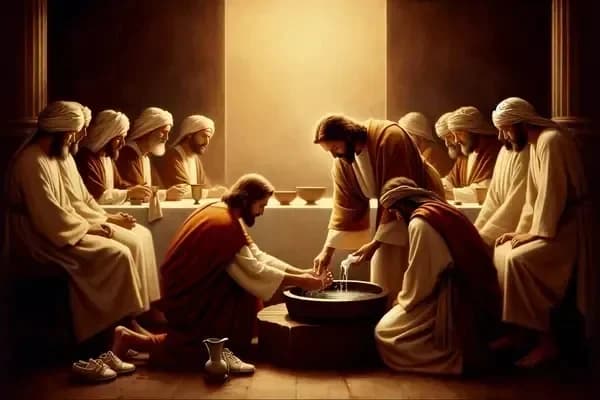
In John 13:14-15, we see another powerful demonstration of Jesus' humility. During the Last Supper, Jesus washed the feet of His disciples, an act typically performed by servants. By doing so, Jesus taught His followers a vital lesson in servanthood and humility. If the Lord and Teacher could stoop to perform such a humble task, then we too are called to serve one another with the same humility and love.

Jesus' actions challenge us to re-evaluate our own attitudes and behaviors. Are we willing to set aside our pride and status to serve others? Do we see the value in humbling ourselves for the sake of others? True humility requires us to prioritize the needs and well-being of others above our own. It calls us to acts of service, no matter how small or menial they may seem.

Reflection

Take a moment to reflect on the humility of Jesus. How can you adopt His mindset in your daily life? Consider specific ways you can serve those around you, whether it's through acts of kindness, listening, or helping with tasks. Remember that humility is not about thinking less of yourself, but thinking of yourself less. May you be inspired to follow Jesus' example and transform your relationships and community through humble service.

Plans people read next

This plan is free to read here. In the app, Bible Chat builds a plan around what you are actually facing — a day at a time, with the full passage and audio.

Build your own daily plan