

The Problem with the Word “Fear”
Here’s the thing about the word “fear”: it’s heavy. It comes with baggage. Ask someone what “fear of God” means, and watch their face. You’ll probably see some combination of wide eyes, and a nervous chuckle, followed by a quick change of subject. That’s because fear, in our modern vernacular, is almost always negative. It’s the monster under the bed, the shadowy figure in a dark alley, the thing we avoid at all costs. Fear, we’re taught, is bad - something to either conquer or to run away from. But then the Bible comes along and Proverbs 9:10 says, “The fear of the Lord is the beginning of wisdom.” Wait. Fear? Really?
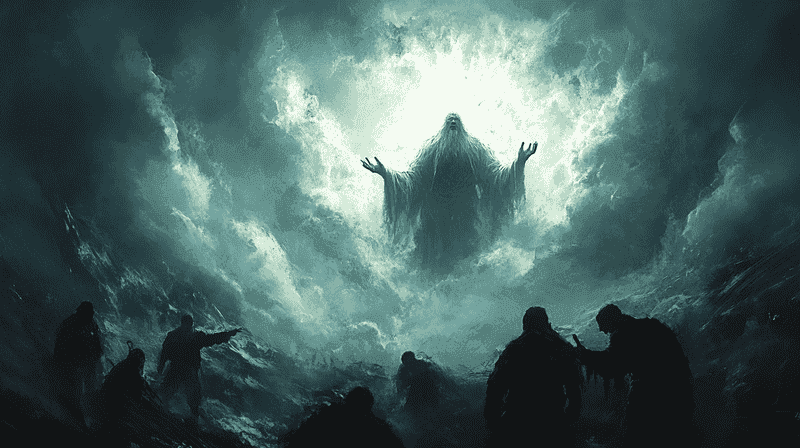
That’s the tension. When we hear “fear,” we think terror, trembling, paralyzing dread. But the biblical “fear of God” doesn’t fit that mold. Rather than cowering in the corner, waiting for lightning to strike, it’s more about awe. Reverence. That gut-deep realization that you’re standing in the presence of something infinitely greater than yourself. Think of it like this: You’re at the edge of the Grand Canyon, staring into its vastness. You’re not scared in the horror-movie sense, but you feel something primal, something humbling, something that makes you rethink your place in the world. That’s biblical fear.
The real problem with the word “fear” isn’t the word itself, but it’s more about our way of perceiving its meaning over time. In our rush to avoid it, we’ve lost the beauty of its depth. Fear of God doesn’t mean you’re running from Him; it means you’re drawn toward Him, standing in awe of His power, His justice, and His grace. It’s not the shrinking, trembling kind of fear, but the kind that expands you, changes you, and yes, makes you wise. So the issue isn’t fear, but the fact that we’ve forgotten how to embrace it.
“The Fear of the Lord Is the Beginning of Wisdom” Meaning
Here’s where things get interesting: Proverbs 1:7 declares that “The fear of the LORD is the beginning of knowledge, But fools despise wisdom and instruction.”, and Proverbs 9:10 says “The fear of the Lord is the beginning of wisdom.” So it’s not love, not faith, not repentance. It’s fear. Why?
Because fear, as in awe-filled reverence, sets the stage for clarity. It’s a wake-up call that reminds you God is God, and you’re, well… not. It’s the realization that you don’t have all the answers, and there’s a higher authority worth aligning your life with. Humblenes. That’s where wisdom begins.
Think of it like learning to drive. You start with respect for the rules, the power of the car, and the dangers of the road. Without that foundational reverence, wisdom doesn’t follow. You might press the gas without checking the brakes. You might run a red light just because you feel like it. But with proper fear of the possible consequences? You learn. You grow. You become a good driver.
The same principle applies to life. Without a healthy fear of God - awe for His power, reverence for His justice, appreciation for His grace - we’re like reckless drivers in a world designed by someone else.

Get Closer to God Today
4.9
Average Rating
|Over 5 Million Downloads
The Two Sides of Fear
Let’s zoom in a little. Martin Luther had broken the fear of God into two categories: servile fear and filial fear. Sounds fancy, right? But it’s not that complicated, I promise.
Servile Fear is what you’d feel toward a harsh boss. It’s fear of punishment, fear of messing up. It gets you to show up on time, but it doesn’t inspire loyalty or love. It is more like the feeling a prisoner would have toward his torturer. It’s threatening and inspires you to be obedient if you want to keep your peace.
Filial Fear is entirely different. It’s the kind of awe and respect you feel for a loving parent. You’re not afraid they’ll punish you, but you don’t want to let them down. It is a reverence grounded in love.
The Bible encourages us to move from servile to filial fear. Sure, you might begin your faith journey with a “don’t want to go to hell” mindset, but over time, you grow into something much deeper: a heartfelt desire to honor and obey God because you love Him. See, we are not meant to do things or not do them out of fear of consequences, but we are called to understand the meaning of our actions and to make the right decision with wisdom and clarity, and out of pure love and respect for our creator. In this equation, fear is an instrument that we can use to motivate ourselves to always seek the best way to reconcile with God.
So, What Does It Mean to Fear The Lord?
Let’s make this real. What does fearing God look like on a Tuesday morning when your coffee spills, your inbox overflows, and the world feels chaotic?
- It Shapes Your Choices
Proverbs 22:4 says, “By humility and the fear of the LORD Are riches and honor and life.” Fearing God means letting His standards guide your decisions. It’s the subtle (or not-so-subtle) reminder to prioritize integrity over convenience.
- It Deepens Your Worship
Have you ever stood in a church service, singing along, but feeling like it’s just words? Awe - the kind of fear that sees God as holy and majestic - shifts that. Worship is about responding to who God is rather than going through the motions.
- It Anchors You in Hard Times
Life is messy, but fearing God reminds you that He’s in control. That faith in His power allows you to go from freaking out to calmly saying “God’s got this.”
- It Keeps You Humble
Fearing God isn’t about thinking less of yourself, but about thinking of yourself less. It’s about acknowledging that the world doesn’t revolve around you, and thank goodness for that.
Fear as the Spring of Growth and Transformation
Fear doesn’t usually get invited to the self-help party. When we think about growth and transformation, fear is often cast as the villain, the thing you “punch in the face,” “leave behind,” or “rise above.” But when it comes to the fear of God, fear shouldn’t be the antagonist, but, quite the opposite, it should be the catalyst. It’s the spring that propels real, meaningful growth. And here’s why: the fear of God forces you to see the world, and yourself, as you truly are. It shifts your perspective in ways no motivational quote or quick-fix strategy ever could.
If you want the fear of God explained, it starts here: awe that transforms, rather than paralyzes.
Let’s start with what the fear of God does to your ego. Nothing humbles you faster than recognizing that God is infinitely greater, holier, and more powerful than you. And it’s not a knock on your worth, but the other way around. When you fear God, you’re acknowledging His greatness, which puts your limitations into perspective. In that moment, you’re freed from the exhausting need to pretend you’ve got it all together.
You can stop striving to be the hero of your story and instead let God take the lead. That’s where growth begins: in humility, not hubris. As Psalm 111:10 reminds us, “The fear of the LORD is the beginning of wisdom; A good understanding have all those who do His commandments. His praise endures forever.
But fear doesn’t stop at humbling you. It sharpens you. Think of it like a fire - not the destructive kind, but the refining one. It shouldn’t become a fear of God phobia, where you shrink back in terror. It should be about reverence, awe, and clarity. It strips away distractions and focuses your mind on what truly matters: Who God is, what He values, and how your life aligns (or doesn’t) with His truth. That clarity drives transformation, and not just in what you do, but in who you are as a whole.
And here’s the takeaway: the fear of God doesn’t paralyze you, it propels you. It pushes you to pursue holiness. Fear of God is the birthplace of courage, obedience, and a deeper sense of purpose. You can’t encounter a God that big and stay the same.
Get Closer to God Today
4.9
Average Rating
|Over 5 Million Downloads
What Fear Isn’t
Before we wrap this up, let’s address a few misconceptions. The truth is that “fear of God” comes with baggage and it’s difficult to rewire our brains and strip off the negative connotations of it.
- It’s Not Terror: God isn’t some cosmic bully waiting to strike you down. In the biblical sense, fear is awe-filled reverence, compassionate respect if you want to call it that.
- It’s Not Outdated: Some people think the fear of God is an Old Testament thing, replaced by love in the New Testament. Not true. Jesus Himself said in Matthew 10:28, “And do not fear those who kill the body but cannot kill the soul. But rather fear Him who is able to destroy both soul and body in hell.” He is warning the disciples here about the dangers of their mission: there will be persecutors trying to destroy their bodies. But that’s where their power stops, so they should not fear that. It is rather the Lord that has absolute power over both body and soul and that’s the point they should be focusing on. And not in terrorizing fear, but in a reverential way, the same as the cook respecting the fire.
- It’s Not Oppressive: Far from it. The fear of God sets you free. It’s what keeps you grounded, wise, and connected to what matters the most.
Final Thoughts: Are You Supposed to Fear God?
Yes. But not like you fear the dark or your worst nightmare. Fearing God means living in awe of His greatness, His justice, His mercy, and His love. It’s the knowledge of Him holding the universe and yet caring deeply about each one of us.
When you fear God, you’re not shrinking back. You’re stepping into something bigger, richer, and far more transformative. You’re living with clarity, humility, and purpose.
Fear of God isn’t a relic of ancient religion either. You are not living in dread or following rules for the sake of it. You are filled with a reverence that shifts your perspective, shapes your choices, and anchors your soul.
In the end, fearing God doesn’t make life smaller; it makes it infinitely larger. When you stop trying to control everything and start revering the One who does, you find freedom, joy, and wisdom.
So, what does fear of God mean? It means standing at the edge of something infinitely greater than yourself and saying, “Yes. I will follow.”