Parents and Family Life

7 days

Family is God’s original design for love, growth, and spiritual formation. In this 7-day Bible study, you’ll explore the sacred role of parents and the divine purpose of family life. Rooted in Scripture, this study highlights how families are meant to reflect God’s character, provide a foundation of faith, and serve as a light to the world. From biblical examples to timeless principles, you’ll discover how parenting and family life can become a holy calling marked by grace, truth, and intentional love.

Start this plan in Bible Chat

The plan is free to read here. In the app it arrives one day at a time, with the full passage and audio.

What the plan covers

  1. Day 110 min

    God’s Call to Guide Our Children

    Passages: Deuteronomy 6:6 · Proverbs 22:6

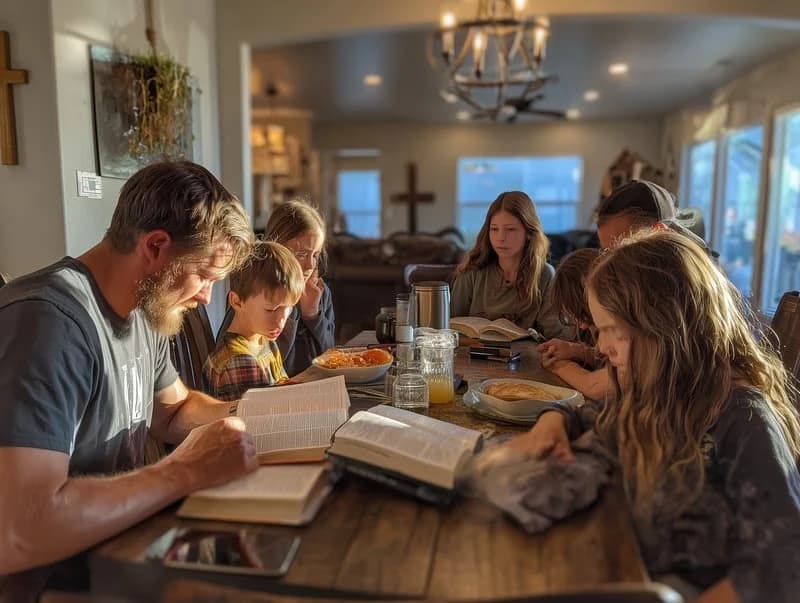
    From the start of the Bible, God tells parents that sharing His love and truth with children is more than a checklist - it’s woven into every moment of family life. When we talk about God’s kindness during breakfast, pray before bedtime, or point out His wonders on a family walk, we help our children learn by heart that God is real, caring, and part of their everyday world. Parents can think of themselves as guides who point their kids toward God’s heart. By teaching God’s commands - loving others, telling the truth, being kind - we show children that following God isn’t just a rule but a way to find joy and peace. When Mom or Dad says, “God cares for you first,” or “Jesus shows us how to love,” children begin to see Bible lessons as part of daily living, not something set aside for church only. Young children’s minds are like sponges - they pick up habits, feelings, and ideas quickly. When parents speak gently, offer loving hugs, and say, “Let’s pray and thank God for this day,” children learn to connect feelings of safety and joy to prayer. When families laugh together over a simple Bible story or sing a verse on car rides, children’s memories link God’s word with happy moments. Over time, these shared experiences help kids carry faith inside their hearts. A warm, steady home also gives kids confidence. When a child sees Dad or Mom pray before making a decision - “God, help me choose kindness today” - they learn that prayer isn’t scary or boring; it’s a way to invite God into every choice. When parents admit their own mistakes and ask forgiveness, children learn that God’s love covers our wrong turns. That sense of security helps children grow into teens and adults who can handle life’s challenges, trusting that God still loves them when they mess up. The promise that “training up a child… when he is old he will not depart from it” means that planting seeds of faith early bears fruit later. If we read a Bible verse together at breakfast, telling our child why it matters - “God says to be kind; kindness makes you and others happy” - it helps them remember what’s right when they face hard choices. As children grow, these lessons become part of their inner compass, guiding them naturally toward God’s ways. Because each child learns differently, parents can tailor how they teach. Some children love songs, so singing short Bible rhymes at bedtime makes Scripture stick. Others learn by doing: a simple craft about Noah’s ark or a family walk where you point out God’s creation can help kids connect Bible truths with the real world. By paying attention to each child’s personality - quiet, playful, curious - parents show God’s care for every unique heart. In the end, parenting is less about checking off a “faith to-do list” and more about building a living heritage. When families fill their days with prayer, Bible stories, and gentle reminders of God’s goodness, children don’t just follow rules - they learn to love God with all their hearts. As parents share their own trust in God - through laughter, prayers, and even tears - children’s hearts and minds are shaped for faith, compassion, and a lifetime of growing close to God. Reflection: When do you naturally talk about God’s love with your child - meals, bedtime, or during play? How might adding one simple Bible verse to your daily routine help your child understand God’s ways better? Practical Steps: Choose a short, easy verse (for example, “The Lord is good”) and say it together each morning. Notice how your child learns best - through songs, pictures, or hands-on activities - and plan one faith-filled activity this week using that style. At bedtime, ask your child to share one thing they saw that reminded them of God’s love today, then pray thankfulness together. Prayer: Heavenly Father, thank You for trusting me to teach my child about Your love. Help me speak Your truth in ways they can understand - through words, actions, and everyday moments. May my family’s life reflect Your kindness so that our children learn to know and follow You. In Jesus’ name, Amen.
  2. Day 29 min

    Loving Discipline - Teaching with Kindness and Clarity

    Passages: Hebrews 12:11 · Ephesians 6:4

    Parents often feel torn between being too strict or too easygoing. God’s Word tells us that loving correction—discipline given with care - helps children grow up with a sense of right and wrong. When we guide our kids with kindness, explaining why certain behaviors aren’t safe or kind, we reflect God’s own way of caring for us. Think about a time a child slammed a toy down in anger. If a parent yells back or reacts harshly, the child may feel afraid or shame. Instead, a loving parent might say calmly, “I see you’re upset. It’s okay to feel that way, but throwing toys can hurt someone. Let’s find a better way to show anger.” This approach first shows empathy - “I understand you’re upset” - then states the rule - “we don’t throw toys” - and offers an alternative - “let’s talk or squeeze a pillow.” When children know they’re still loved, even when corrected, they learn to trust - and their hearts feel safe. When parents react in anger or give confusing rules, kids can become discouraged. They may think, “I can’t do anything right” or “I’m always in trouble.” That can make children anxious and unsure of themselves. But when discipline comes from a place of love - clear boundaries explained in a gentle voice - kids learn that rules aren’t meant to punish but to protect. They come to understand that mistakes don’t make them unlovable. Following the advice to “bring children up in the discipline and instruction of the Lord” means we teach values like honesty, respect, and compassion at the same time we enforce simple rules. For example, if a child lies about breaking a vase, a parent might say, “I need you to tell the truth because God wants us to be honest. Lying can make things worse.” Then, help the child fix the vase area - perhaps by helping clean up or apologizing. This teaches that honesty is more important than hiding mistakes. As children grow older, these lessons guide them through bigger challenges - peer pressure, sharing, or making friends. Because parents used correction mixed with love, kids learn to think, “Mom and Dad want what’s best for me.” That encourages them to choose right even when no one is watching. By modeling patience, parents help children’s hearts feel secure, so kids handle stress better and learn to calm themselves when upset. Building a home where rules are clear and love is real helps children feel both safe and valued. When it’s time for consequences - like a time-out for hitting or extra chores for messing up - a calm explanation lets the child know exactly what went wrong and how to make things right. Afterward, a hug or a kind word - “I love you, even when you make mistakes” - reminds them they remain cherished. In the end, loving discipline shapes children not only by correcting wrong behavior but also by showing them how God’s grace works. Parents point kids back to God’s heart: “He corrects us because He loves us and wants us to grow.” When children internalize that, they develop confidence, respect for others, and a sense of peace in knowing God’s love holds them, even when they stumble. Reflection: Think of a recent time you needed to correct your child. Did you first show understanding before stating the rule? How can you follow up correction with reassurance that your child is still loved and safe? Practical Steps: Before giving a correction today, pause and pray for calm words and a loving heart. Identify one small behavior to address—maybe sharing toys or speaking kindly - and plan to explain why that behavior matters. After the correction, spend a few minutes reading a short Bible story or praying together to remind your child they’re loved unconditionally. Prayer: Dear Father, thank You for teaching me how to discipline with love. When I correct my child, help me to show both kindness and clarity - guiding them toward right choices while reassuring them of Your and my love. May our home reflect Your gentle care and help our children grow in righteousness and peace. In Jesus’ name, Amen.
  3. Day 39 min

    Living Out Our Faith - Parents as God’s Example

    Passages: 2 Timothy 1:5 · Psalm 78:4

    Children learn more by watching than by hearing rules. When parents talk about God but act differently, kids get confused. However, when Mom and Dad pray, thank God, and show kindness, children’s hearts notice and remember. Imagine a mother kneeling to pray before meals. A young child sees that and thinks, “Prayer is important.” Even if the child cannot say the words, their mind and heart register that prayer is part of family life. Over time, seeing Mom or Dad lean on God in hard times - like when a bill is late or someone is sick - helps children learn that God is our strength and hope. Stories of how God helped grandpa in struggling times or how He provided for a friend become living lessons. When parents share these stories around the dinner table, they teach faith by connecting God’s faithfulness to real life. Neuroscience shows that young brains are forming connections quickly. When a parent smiles while reading a Bible story, the child’s brain links God’s words with joy and safety. Mirror neurons fire when a parent shows compassion - so when Dad gently comforts a hurt child, that child learns compassion instinctively. Over time, these blessings build a “faith habit” in the brain: children begin to think, “When life is hard, turn to God and trust He is here.” In daily life, parents can weave faith into simple routines. During car rides, play a favorite praise song and sing together. At bedtime, pray for the day’s troubles - “Thank You, God, for helping us learn at school today.” When a sibling shares a toy with another, parents can say, “That’s God’s love shining through you.” These small moments matter because they show faith in action. Psychologists call this social learning: children pick up behaviors they see rewarded. When parents praise a child for helping a neighbor or telling the truth, the child’s brain releases dopamine, making them want to repeat that action. Likewise, seeing Mom or Dad serve at a food pantry or visit a sick friend teaches that serving others is part of following Jesus. Over time, children adopt these actions as normal: “Serving is just what we do.” On the other hand, mixed messages - like telling a child to speak kindly but then arguing harshly - confuse the child’s moral compass. The brain struggles to sort out right from wrong when words and actions don’t match. That is why integrity matters: when parents’ actions match their words, children’s brains and hearts grow secure and ready to trust God’s ways. The Bible’s instructions to share God’s wonders “from generation to generation” remind parents that their faith has ripple effects. A child who sees God’s faithfulness firsthand is more likely to share that faith later with their own children. In this way, faith becomes a living legacy - passed down, not just in stories, but in daily prayers, acts of love, and honest conversations about how God helps in every season of life. Reflection: Which faith habits do your children see you doing most often (praying aloud, reading Scripture, praising God)? What new way can you share a story of God’s faithfulness with your kids this week? Practical Steps: Choose one moment today - mealtime, bedtime, or car ride - to share a simple praise or prayer about something God did. Find a short story from your own life or the Bible that shows God’s kindness and tell it to your children in your own words. Plan a family activity where you serve together - a meal for a neighbor, a small cleanup project - and explain that serving shows God’s love. Prayer: Heavenly Father, thank You for the gift of faith we can share as a family. Help us to live what we say we believe - praying together, thanking You in joy and trouble, and serving others with love. May our children see Christ in our actions and learn to trust You all their lives. In Jesus’ name, Amen.
  4. Day 49 min

    Nurturing a Loving Home

    Passages: Colossians 3:21 · Proverbs 29:17

    A peaceful home balances love with clear rules. When children know they are loved and also understand what is expected, they feel safe and learn right from wrong. The Bible tells parents not to “frustrate” or discourage children. That means avoiding harsh words or confusing rules that leave kids feeling unloved or insecure. At the same time, a gentle, consistent discipline helps children grow in character. Think of a family where Dad always yells when a toy is dropped. The child may feel afraid, focusing on not making mistakes instead of learning why to be careful. However, if Dad says calmly, “Please pick that up so no one trips,” the child knows the family cares about safety. If Mom adds, “I’m here to help,” the child feels love even as they learn. That approach - warmth plus clear direction - teaches children that rules are there to keep them safe and that love never disappears when they mess up. Neuroscience shows that when children experience calm correction, their brains release oxytocin, a chemical that helps them feel secure. Over time, repeated experiences of gentle correction help build strong brain connections for impulse control. In contrast, harsh punishment triggers the stress center (amygdala) and floods the brain with cortisol, which can make children anxious, forgetful, or quick to anger. In a home where parents speak kindly but hold firm boundaries, kids learn to manage emotions and think before they act. Psychologically, attachment research tells us that children who feel securely loved develop a healthy sense of self-worth. When a toddler throws a tantrum, a parent might say, “I know you’re upset - let’s find a calm way to talk about it,” rather than ignoring or punishing severely. This response shows that even when feelings are big, the parent’s love is bigger. Over time, the child learns to trust that mistakes don’t mean rejection, leading to better emotional health and stronger relationships. Discipline also becomes more effective when it follows a simple pattern: notice feelings first, explain the rule, then offer a fair consequence. For example, if a child hits a sibling, a parent might say, “I see you’re angry. We don’t hit. Now let’s use our words or take a break.” This method - soothe, teach, rejoin - helps children understand why the behavior is wrong and how to do better next time, while still feeling loved. Families thrive on routines that include both affection and structure. Regular mealtimes, consistent bedtimes, and shared activities create a sense of safety that families need. When children know what to expect - “we say our prayers before dinner, then play time, then bed” - their brains find comfort in predictability. Shared bedtime prayers or morning verses can become joyful rituals that weave faith into family rhythm. In the end, a loving home is built by combining firm boundaries with genuine affection. When parents correct with patience, children learn that wrong choices lead to growth rather than shame. When home life includes moments of play, laughter, and prayer, children learn that God’s love is both tender and trustworthy. This balanced approach honors God, strengthens family bonds, and shapes children who feel secure in love and wise in choices. Reflection: Recall a time when you disciplined your child. Did you respond with calm explanation first, then guidance? Which family routine could you add a moment of prayer or Bible reading to make your home more peaceful? Practical Steps: Identify one rule you’d like to reinforce (sharing, bedtime). Plan to say, “I know you feel [emotion], but we do [rule], and here’s what happens next if we don’t.” Choose one family routine - mealtime, bath time, bedtime - to add a short Bible verse or prayer that reminds children God loves and guides them. Tonight, after correcting a behavior, spend five minutes cuddling, reading a Bible story, or talking about something fun to reassure your child of your love. Prayer: Dear Father, thank You for teaching us gentle correction rooted in love. Help us guide our children with patience and clear boundaries, always pointing them back to You. May our home be a place of peace, joy, and faith - where Your love shines through both our words and actions. In Jesus’ name, Amen.
  5. Day 59 min

    Marriage - A Picture of God’s Love for Our Families

    Passages: Ephesians 5:25 · Genesis 2:24

    Marriage is more than two people living together; it shows God’s deep love for His family. When parents love each other well, children learn about kindness, sacrifice, and faithfulness. The Bible tells husbands to love their wives as Christ loved the church - He gave everything for us. This kind of love shapes a home where everyone feels safe and valued. Consider a father who listens closely when his wife shares worries about the day’s events. By offering a hug or a prayer, he shows a Christlike heart - putting her needs above his own comfort. Children watching this see love in action: they learn that marriage means caring deeply, even when life is busy. That lesson echoes in their friendships and future relationships. Neuroscience tells us that healthy marriages release oxytocin, the “bonding hormone,” in both spouses. When a husband speaks gently after a long day, his wife’s brain calms, and they both feel trust. Their children sense that calm and connect love with security. Over time, repeated acts of gentle love and respect build strong neural pathways in children for empathy and cooperation. They learn that disagreements can be settled kindly, and love can last through challenges. A mother who cares for her husband when he’s sick shows children what it means to serve. Even small acts—bringing tea, offering encouraging words - help kids see that serving is love in action. Neuroscientists find that when people serve each other, their brains release endorphins, creating joy. When children grow up in a home where love looks like sacrifice - dad giving up TV time to play with kids, mom listening after a hard day - they adopt those same joyful, serving habits. Scripture’s phrase “they shall become one flesh” means unity. When parents pray together or read a short verse at bedtime, their unity becomes a spiritual anchor for the whole family. Psychologically, children see consistent teamwork - parents making decisions together, caring for each other’s feelings—and learn to trust family bonds. The brain’s prefrontal cortex grows stronger when children experience secure family relationships, leading to healthier social skills and emotional stability. Challenges will come - money worries, job changes, or illness. In those moments, a marriage that leans on prayer and trust in God becomes a model for children. When parents say, “We trust God to help us get through this,” children’s hearts learn faith instead of fear. A little prayer before tough talks can calm everyone’s mind, releasing tension and opening the door for honest conversation. When spouses honor each other - speaking respectfully, showing gratitude, finding small ways to say “I love you” - they reflect Christ’s love and teach children how to love well. That picture of sacrificial, unified marriage becomes a gift that children carry into their own lives. They see that home is a place of grace, forgiveness, and joyful service, rooted in God’s unending love. Reflection: Think about how you and your spouse handle stress together. Do your children see you trusting God and supporting each other? What small act of kindness could you offer your spouse this week that would show Christlike love? Practical Steps: Schedule a short “pray and connect” time with your spouse - just five minutes to share highs and lows and pray together. Identify one way to show sacrificial love this week: let your spouse rest while you handle a chore or surprise them with a note of thanks. Before a family meal, invite your spouse to pray together and ask God to fill your home with unity and love. Prayer: Lord Jesus, thank You for showing us sacrificial love through Your life. Help us love each other in our marriage as You love us - selflessly and fully. Make our home a place where love, respect, and faith shine brightly for our children to see and follow. In Jesus’ name, Amen.
  6. Day 69 min

    Talking and Listening - Strengthening Family Ties

    Passages: Ecclesiastes 4:9 · James 1:19

    In families, healthy communication keeps everyone close. When parents listen carefully and speak kindly, they build trust. The Bible says, “Two are better than one” - marriage and family thrive when everyone helps each other. James reminds us to listen first, then speak, and avoid quick anger. Imagine a child comes home upset about a bad day at school. If a parent immediately interrupts with advice - “You should have studied harder” - the child may feel unheard. Instead, saying, “I’m sorry you had a rough day. Tell me what happened” shows genuine listening. When the child shares, the parent’s calm attention helps the child feel safe. Together, they can pray and find a solution. That simple act of listening releases oxytocin in both brains, letting stress fade and opening both hearts to empathy. Neuroscience shows that during conflict, stress can hijack thinking. If Mom yells before listening, her child’s brain may go into “fight or flight,” flooding cortisol and making calm talk almost impossible. In contrast, pausing to listen first engages the prefrontal cortex - our thinking brain - helping everyone respond thoughtfully rather than reactively. Over time, children learn to solve problems calmly because they see parents do the same. Psychology teaches that “active listening” involves making eye contact, nodding, and repeating back what you hear - “So you felt left out when your friend didn’t share?” This shows the child, “Mom hears me.” Their brain’s “reward center” lights up, encouraging them to share more. When parents then speak softly - “I understand. It must have felt lonely” - the child’s amygdala calms, and they feel safe to talk about deeper feelings. Families also need clear conversations about rules and expectations. When a parent says, “We need to finish homework before TV,” explaining why - “Your education matters - I want you to do your best” - helps children see that rules come from love, not control. If a child breaks a rule, a parent might say, “I know you want to play, but homework is important for your future. Tonight, we’ll try again after you do your assignments.” That explanation engages the child’s thinking brain, so they understand rather than rebel. Conflict will happen - siblings argue, parents disagree - but how families handle it leaves lasting impressions. When parents disagree, resolving conflict with kindness models forgiveness. Saying, “I’m sorry I raised my voice; I love you” teaches children to admit mistakes and make amends. Neuroscientists find that such humble apologies release oxytocin in both brains, rebuilding trust. Daily routines can foster open communication. A quick “highs and lows” share after dinner gives everyone a chance to speak and be heard. A short bedtime chat - “What was your best part of the day? What was hard?” - lets children know there’s always time to talk, no matter how small or big the issue. These moments teach children that family is a safe space to share joys and worries. Reflection: Think about the last time your child shared something important. Did you listen fully before responding, or did you offer advice too soon? How can you slow down next time - a sibling fight, a child’s worry - and choose to listen first? Practical Steps: Tonight, during dinner or bedtime, ask each person for one “high” and one “low” of their day. Practice listening without interrupting. When a child breaks a rule, pause for five seconds before speaking. Use “I know you’re feeling…” to show empathy first, then explain the rule. Encourage open talk by saying, “I’m here to listen,” any time a child wants to share, even if it’s a small worry. Prayer: Heavenly Father, thank You for the gift of family. Teach us to listen quickly and speak kindly. Help us calm our hearts before responding so we can show Your love and wisdom. May our home be a place of open ears, gentle words, and loving support. In Jesus’ name, Amen.
  7. Day 710 min

    Building a Joyful, Faith-Filled Home

    Passages: 1 Peter 4:1 · Colossians 3:23

    A home filled with faith and joy reflects God’s love to all who enter. Each family member has unique gifts - maybe one child sings sweetly, another is good at drawing, or a parent is an excellent cook. When everyone uses their gifts to help one another, the home becomes a place of encouragement. The Bible reminds us that whatever we do, we should do it with all our heart, as if working for the Lord. This means even simple chores or schoolwork can become acts of worship that bring happiness and unity. Imagine a child who loves to sing joining a parent who plays guitar to lead a short family worship time each evening. Their joy flows into the room, and everyone joins in, clapping or humming along. That shared moment releases endorphins - feel-good brain chemicals - in each person. Over time, children learn that praising God together brings real delight and peace, not just a Sunday ritual. Parents who model this consistently show that worship is a daily celebration, not something reserved for church. Serving each other also strengthens family bonds. A teenager who sets the table without being asked or helps a younger sibling with homework is using their gift of helpfulness. The parent’s grateful response - “Thank you for caring!” - releases dopamine in the teen’s brain, teaching them that serving feels good. When parents prepare a bedtime snack or read a Bible story to a preschooler, they show service is love in action. That builds a home where generosity and kindness become natural habits. Working “heartily for the Lord” means families can turn ordinary tasks into meaningful moments. Folding laundry or washing dishes together becomes a chance to talk about God’s provision - how He gives clothes to wear and food to eat. When parents and kids work side by side, they bond, share stories, and learn gratitude. Neuroscience shows that shared activities that involve movement and cooperation create synchrony in brain waves, which builds empathy and teamwork skills. Over time, children raised this way become more cooperative and joyful in group settings. Family fun also plays a role. A “family game night” or a weekend walk in nature becomes an opportunity to talk about God’s creativity - pointing out flowers, birds, or cloud shapes. That shared wonder activates children’s curiosity and helps them see God in everyday beauty. They learn to connect the natural world with their relationship to God. When parents celebrate small victories - finishing a homework assignment, a child’s good deed - a quick “We’re so proud of you” or a high-five releases oxytocin in both brains, reinforcing trust and encouragement. Yet, building a joyful home requires intentional effort. Busy schedules can steal these moments. Parents can choose one day each week as a “family faith night” - gather to read a short story from the Bible, pray together about the week ahead, and share snacks. This dedicated time becomes a highlight that children anticipate, reminding them that faith and family belong together. Finally, joy and faith flourish when families remember to laugh together. Funny stories, shared jokes, or a silly dance contest remind everyone that God gave us laughter as a gift. Laughter releases endorphins and lowers stress hormones, helping everyone rest better and approach problems with a lighter heart. When children see parents laugh and trust God even in tough days, they learn resilience - knowing that with God, there is always hope and joy, even amid challenges. Reflection: What special gift does each member of your family have, and how can you use it to serve others at home? What daily chore or activity could you turn into a time of praise or gratitude? Practical Steps: Pick a day for a weekly “family faith night” to read a short Bible story, pray together, and share what God has done. Assign each child a simple job (setting the table, watering plants) and praise them enthusiastically when they do it, helping them connect service with joy. Find one part of your daily routine - chores, school projects, or playtime - to add a short moment of thanksgiving or a worship song. Prayer: Loving Father, thank You for filling our home with Your love. Help each of us to use our gifts to serve one another with joy, always doing everything as if we’re working for You. Fill our hearts with laughter, gratitude, and hope, so others see Your goodness in our family life. In Jesus’ name, Amen.