
Strong Community Relationships
7 daysrelationshipssalvationempowermentpurpose
This 7-day Bible study is designed to explore the principles and practices that foster strong community relationships within the church. Each day focuses on different aspects of community building, unity, and resolving conflicts with love, aiming to help you grow together in authentic fellowship.
Start this plan in Bible Chat
The plan is free to read here. In the app it arrives one day at a time, with the full passage and audio.
What the plan covers
- Day 16 min
The Importance of Community
Passages: Hebrews 10:24-25 · Ecclesiastes 4:9-10
In our journey of faith, the importance of community cannot be overstated. The Bible emphasizes the need for fellowship and mutual encouragement among believers. Hebrews 10:24-25 imparts a crucial lesson: we are to consider one another, stirring up love and good works. This passage highlights the essence of assembling together, not merely as a ritual, but as a means to exhort and uplift each other, especially as we anticipate the return of Christ. When we gather, we create opportunities to inspire and be inspired. The act of coming together in worship and study enables us to share our joys, burdens, and insights. This communal experience enriches our spiritual journey, making it more vibrant and dynamic. It is within this context that we find the strength to persevere and the motivation to live out our faith more fully. Ecclesiastes 4:9-10 further elucidates the value of companionship. The imagery is poignant—two individuals working side by side can achieve more than one working alone. Moreover, in times of difficulty, having a companion to lift us up is invaluable. This principle extends beyond physical labor to spiritual and emotional support. When we face challenges, having a community to lean on can make the difference between despair and hope. The wisdom in these verses calls us to be proactive in fostering relationships within our faith communities. It encourages us to be intentional about our interactions, seeking to build each other up and to be present for one another. This is not just about attending church services but engaging deeply with fellow believers, sharing life, and growing together in Christ. Reflection: Reflect on how you can contribute to your community in meaningful ways. Consider reaching out to someone who might need encouragement or support. How can you be a source of strength and inspiration to others? Take a moment to pray for your church and ask God to help you be an active participant in building a strong, loving community. As you do so, remember that your presence and actions can have a profound impact on the lives of those around you. - Day 26 min
The Role of the Church in Shaping Relationships
Passages: Acts 2:42-47 · Ephesians 4:11-13
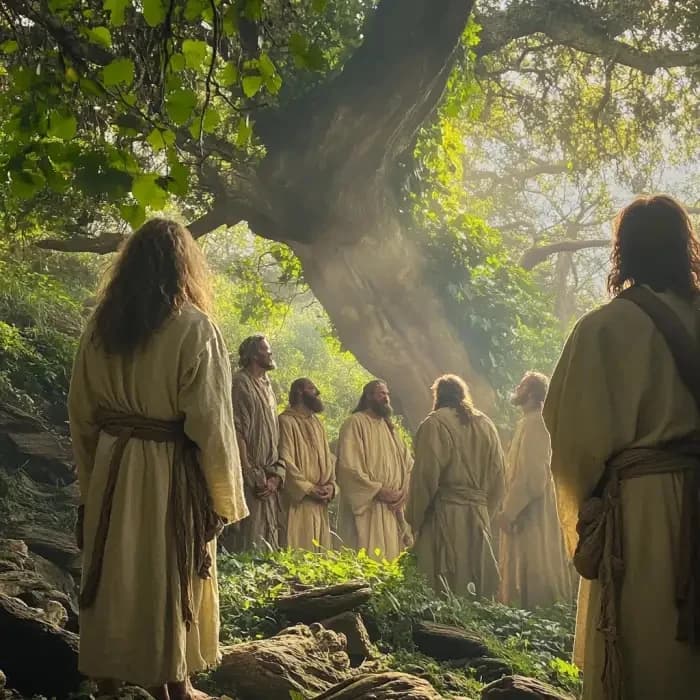
The early church serves as a powerful example of how meaningful relationships within the church can be fostered. Acts 2:42-47 paints a vivid picture of a community that was deeply committed to the teachings of the apostles, fellowship, breaking of bread, and prayers. They were united in their faith and purpose, sharing their possessions and supporting one another in times of need. This passage reminds us of the importance of living in a tight-knit community where we can encourage and uplift each other through our shared faith and love for Christ. In Ephesians 4:11-13, Paul speaks about the various roles within the church and how they contribute to the growth and edification of the body of Christ. God has given us apostles, prophets, evangelists, pastors, and teachers to equip us for ministry and build us up in faith. This diversity of roles allows the church to function effectively and helps each member grow towards spiritual maturity. The ultimate goal is to achieve unity in faith and knowledge of the Son of God, reaching the fullness of Christ. Reflecting on these verses, we see that the church is not just a place for worship but a community where believers can grow together, support one another, and work towards a common purpose. The early church's example of communal living and the roles outlined by Paul highlight the importance of collaboration and mutual support in our spiritual journey. Reflection: Consider how you can contribute to fostering meaningful relationships within your church community. Are you actively participating in fellowship, supporting others, and utilizing your unique gifts for the edification of the body of Christ? Reflect on the early church's model and Paul's teachings to find ways to strengthen your connections within the church and help build a vibrant, united community. - Day 35 min
Unity of the Body of Christ
Passages: John 17:23 · Romans 12:4-5
In John 17:23, we find Jesus praying for the unity of His followers. He desires that they be made perfect in one, reflecting the same oneness He has with the Father. This unity is not just for the benefit of the believers but also to be a testimony to the world that Jesus was sent by God and that they are loved deeply. This verse reveals the heart of Jesus for His church—that we live in harmony and unity, modeling the love that He and the Father share. Romans 12:4-5 complements this by illustrating the diversity yet interconnectedness within the body of Christ. Paul uses the metaphor of the human body, where each part has a different function but all parts work together as one unit. This imagery helps us understand that while we all have unique roles and gifts, we are interconnected and dependent on one another to function effectively as the body of Christ. The concept of unity in the body of Christ is foundational for a thriving church community. Jesus prayed for it, and Paul taught about it, which underscores its importance. Unity does not mean uniformity; it means working together harmoniously despite our differences. Each member's unique contributions are vital to the health and mission of the church. When we embrace our interconnectedness, we reflect God's love more profoundly and become a powerful witness to the world. Reflection: How can you contribute to the unity of your church community? Consider your unique gifts and how you can use them to serve others. Reflect on any areas of division or discord and pray for wisdom and courage to address them with love. Remember, unity in the body of Christ is not just a lofty ideal but a practical necessity for demonstrating God's love and achieving His purposes on earth. - Day 46 min
Solving Conflicts with Love
Passages: Matthew 18:15-17 · 1 Peter 3:8
Conflict is an inevitable part of any community, including the church. However, the way we handle conflicts can either build or break our relationships. Matthew 18:15-17 provides a clear and structured approach to resolving disputes. The first step is to address the issue privately with the person involved. This one-on-one conversation allows for honesty and minimizes public embarrassment. If the person listens and reconciles, the relationship is restored. If not, the next step is to bring one or two others into the conversation to add perspective and accountability. Finally, if the issue remains unresolved, it should be brought before the church. If reconciliation still cannot be achieved, the person is to be treated as an outsider, emphasizing the seriousness of unresolved conflict. In 1 Peter 3:8, we are reminded to approach each other with compassion, love, and courtesy. This verse speaks to the heart and attitude we should have when dealing with conflicts. Being tenderhearted means we are sensitive to the feelings and needs of others, and being courteous means we show respect and consideration, even in disagreement. When conflicts arise, it is crucial to maintain a spirit of humility and understanding, seeking to resolve issues in a way that honors God and strengthens the community. Approaching conflicts with love means prioritizing the relationship over the issue at hand. It involves listening actively, showing empathy, and being willing to forgive. When we follow the biblical steps outlined in Matthew and adopt the attitude encouraged in 1 Peter, we create an environment where conflicts can be resolved peacefully and relationships can be mended. Reflection: How do you typically handle conflicts in your life? Do you address issues directly and with love, or do you avoid confrontation? Consider how you can apply the principles from Matthew 18:15-17 and the attitude from 1 Peter 3:8 in your interactions. Ask God to give you the wisdom and grace to handle conflicts in a way that fosters unity and love within your community. - Day 56 min
Growing Together in Christ
Passages: Colossians 2:6-7 · Ephesians 4:15-16
Growing together in Christ is a beautiful journey that requires us to be rooted in Him and to nurture one another in faith. Colossians 2:6-7 encourages us to walk in Christ, rooted and built up in Him, and established in the faith. This imagery of being rooted suggests a deep, unwavering connection to Christ, much like a tree firmly planted by streams of water. Just as a tree draws nourishment and strength from its roots, we too must draw our spiritual nourishment from our connection to Jesus. This rootedness in Christ provides stability and growth, enabling us to withstand the challenges of life and bear fruit in our spiritual walk. Ephesians 4:15-16 emphasizes the importance of speaking the truth in love and growing up in all things into Christ, who is the head of the church. This passage highlights the interconnectedness of believers, describing the church as a body joined and knit together by what every joint supplies. Each member's contribution is crucial for the effective working of the body, leading to its growth and edification in love. This teaches us that our growth in Christ is not a solitary journey but a communal one, where we support and build each other up in love. As we grow together in Christ, we must be intentional about nurturing our relationships within the church. This involves encouraging one another, offering support, and being willing to speak the truth in love. It also means being receptive to correction and guidance from our fellow believers. Our growth is enhanced when we are surrounded by a community that is committed to walking in Christ and helping each other stay rooted in Him. Reflection: Growing together in Christ requires us to be firmly rooted in Him and to actively nurture our relationships within the church community. How can you contribute to the growth and edification of your church family? Are there areas in your life where you need to be more rooted in Christ? Reflect on how you can draw closer to Jesus and support others in their spiritual journey, fostering a stronger, more united community in the process. - Day 66 min
Unity in Mind and Purpose
Passages: Philippians 2:1-2 · 1 Corinthians 1:10
In today's study, we delve into the theme of unity in mind and purpose. The Apostle Paul, writing to the Philippians, emphasizes the importance of being like-minded and united in love. He urges the believers to find consolation in Christ and to experience the comfort of love and fellowship of the Spirit. Paul’s joy is made complete when he sees the church being of one accord and one mind. This unity is not just a superficial agreement but a deep, heartfelt connection rooted in the love and mercy of Christ. Similarly, in 1 Corinthians 1:10, Paul makes a passionate plea for unity among the brethren. He calls for them to speak the same thing and to avoid divisions. Paul’s vision is for the church to be perfectly joined together in the same mind and judgment. This unity is essential for the church to function effectively and to be a powerful witness to the world. When believers are united, they reflect the heart of God and demonstrate the transformative power of the Gospel. Unity in mind and purpose requires us to align our goals with God’s will. It means setting aside personal agendas and preferences to seek the greater good of the community. This can be challenging, especially in a diverse group of individuals with different backgrounds and perspectives. However, when we focus on Christ and His teachings, we find common ground that transcends our differences. The Holy Spirit works within us to bring about this unity, fostering a sense of belonging and mutual support. Reflection: Consider how you can contribute to the unity of your church community. Are there areas where you need to set aside personal preferences for the greater good? Reflect on the importance of aligning your goals with God’s will and seeking to be of one accord with your fellow believers. Pray for the Holy Spirit to guide you in fostering unity and love within your church, so that together, you can be a powerful witness to the world. - Day 76 min
Authentic Relationships and Fellowship
Passages: 1 John 1:7 · Romans 12:10
Authentic relationships and fellowship are the bedrock of a thriving, Christ-centered community. In 1 John 1:7, the Apostle John emphasizes the importance of walking in the light, as Jesus is in the light. Walking in the light means living in truth, transparency, and righteousness. When we walk in the light, we naturally foster genuine fellowship with one another. This fellowship is not just about social gatherings but involves deep, meaningful connections where we support and uplift each other. The cleansing power of Jesus' blood is central to this fellowship, as it removes the barriers of sin that can hinder our relationships. Similarly, Romans 12:10 calls us to be kindly affectionate to one another with brotherly love. Paul’s instruction is to honor and give preference to others, which means putting their needs and well-being above our own. This kind of selfless love is the essence of authentic relationships. It requires us to be patient, kind, and forgiving, just as Christ is with us. When we honor each other in this way, we create a culture of respect and mutual support that strengthens our community. Building authentic relationships involves vulnerability and trust. It means being willing to share our struggles and victories, knowing that we will be met with compassion and encouragement. This kind of openness fosters a sense of belonging and unity. It is important to remember that authenticity does not mean perfection. We will make mistakes and sometimes hurt each other, but the key is to approach these situations with grace and a willingness to reconcile. Reflection: Take a moment to reflect on the relationships in your life. Are there areas where you can be more open and authentic? How can you show love and honor to those around you? Pray for the courage to walk in the light and the wisdom to build genuine fellowship with others. Remember, authentic relationships are a journey, and each step you take in love and truth brings you closer to a thriving, Christ-centered community.