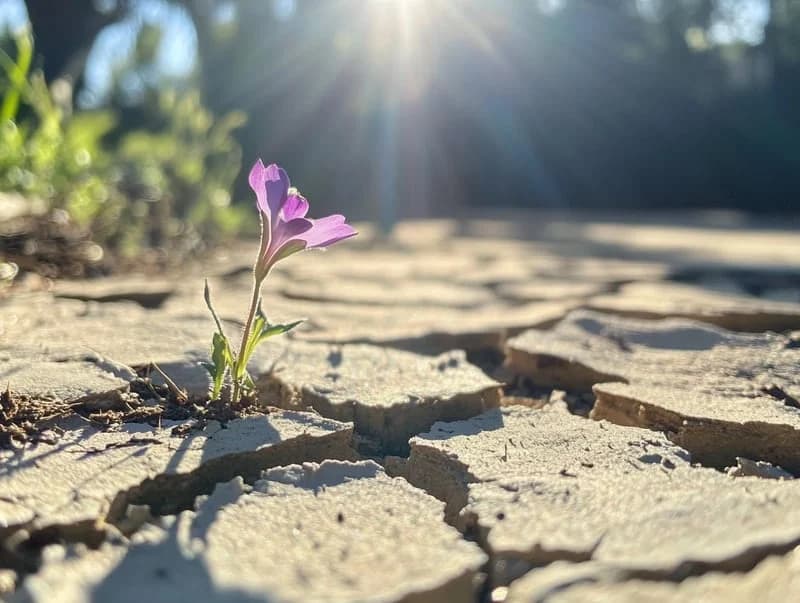
Building resilience through Christ
This 7-day journey has been lovingly prepared to help you cultivate a steadfast resilience rooted in Christ that leads you to the fulfilling life He longs for you to embrace. Every day, there are prayerful reflections on the Scriptures that reveal how sacred truths, along with the insights of neuroscience, psychology, and medicine, come together to strengthen your faith and empower you to overcome life's challenges. May these reflections bring you closer to the Heart of Jesus, awaken hope in your soul and give new strength to your walk with the Lord.
The plan is free to read here. In the app it arrives one day at a time, with the full passage and audio.
What the plan covers
- Day 18 min
Roots of resilience
Passages: John 10:10 · Isaiah 40:31
Resilience is often defined as the ability to recover quickly from difficulties – a form of inner strength that stabilises us when the winds of life blow fiercely. In John 10:10, Jesus explains that He came to give us not only existence, but life in abundance. This promise is far more than material gain or superficial comfort; It's about thriving spiritually and emotionally, even in the face of difficulties. Isaiah 40:31 reflects the same certainty: When we lean on God, our strength is renewed and we rise above the turmoil of life with divine support. From a theological point of view, resilience is not just a product of human willpower. It is born in fellowship with God. The same Spirit who raised Christ from the dead enables believers to pass trials and emerge stronger. Resilience, then, is intertwined with hope—hope rooted in the unchanging character of God who sustains us. When our strength wanes, his steadfastness provides a secure anchor for our souls. Neuroscience helps us understand that our brains adapt to repetitive experiences. When we consistently practice turning to God in times of stress—through prayer, worship, and meditation in Scripture—we strengthen neural pathways that promote calm and hope. Psychologically, this coincides with the principle that healthy coping strategies and positive thought patterns develop over time. By focusing on God's promises on a regular basis, we train our minds to respond with faith rather than fear. Medical research supports the holistic benefits of resilience. Individuals who maintain a strong sense of purpose and community often show lower stress levels, better cardiovascular health, and increased emotional well-being. Participation in spiritual disciplines – such as prayer and community – can lower cortisol (stress hormone) levels and boost overall mental health. Far from being mere spiritual rhetoric, these practices help us resist and recover from the inevitable storms of life. Building resilience also promotes healthier social skills and communication. When we are not overwhelmed by fear or hopelessness, we can approach conflict with a calmer mind, practice active listening, and empathize more effectively. This leads to a domino effect: resilient people often encourage others to persevere, igniting a culture of hope in their families, churches and workplaces. But resilience is not about self-sufficiency. Scripture tells us to rely on the Lord, to trust in His timing, and to lean on His promises. In the moments when we feel most vulnerable, God's grace shines brightest, reminding us that our resilience does not flow from our own strength, but from the source of His inexhaustible love. We can stand firm, not because we are inherently unshakable, but because we are sustained by the One who is. Reflection Where in your life do you struggle most with discouragement or despair? How can you invite God into these spaces to cultivate a deeper resilience? Practical steps Recognizing storms: Write down current challenges and surrender them to God in prayer. Focus on the Bible: Memorize John 10:10 and remember Jesus' promise of an abundant life when stress arises. Mindful pause: Practice short "breath prayers" throughout the day, such as "Lord, renew my strength." Encourage others: Share a word of hope with someone who is facing difficulties, thus strengthening resilience in both of you. Prayer Lord, thank You for giving me life in abundance, even when trials come. Remind me that my resilience is rooted in your unchanging love. Strengthen my faith so that I can rise above challenges and share your hope with others. In the name of Jesus, amen. - Day 28 min
Trusting in God's sovereignty
Passages: Proverbs 3:5 · Isaiah 14:24
Resilience grows most strongly on the fertile ground of trust—namely, trust in God's sovereign will. Proverbs 3:5 calls believers to trust in the Lord with all their hearts and to put His infinite wisdom above our limited perspective. Isaiah 14:24 affirms that God's purpose is certain to be accomplished, emphasizing his supreme authority in all circumstances. When we align ourselves with God's sovereignty, we open up a stability that goes beyond fleeting situations. Theologically, Scripture presents God not only as almighty, but also as loving and just. This means that He orchestrates events according to His plan of salvation, even when our immediate experiences seem chaotic. By subjecting our worries and fears to Him, we develop resilience—an inner certainty that God's hand remains unshakable despite the crisis. This conviction anchors our hearts and equips us to face setbacks without despair. From a psychological point of view, experts note that people who maintain a strong sense of purpose – which is often rooted in faith – show greater adaptability under stress. The belief that our trials serve a greater purpose turns them into stepping stones rather than stumbling blocks. Neuroscientists have also found that our brains are influenced by our core beliefs. Trusting in a kind, purposeful God can reduce the intensity of our stress responses as we interpret challenges through the lens of divine orchestration rather than random misfortune. Medical science agrees with these observations, showing that hope and purpose can promote better mental and physical health. Patients with strong spiritual beliefs often exhibit less anxiety, faster recovery times, and improved emotional resilience. When we truly believe that God oversees our ways, we free ourselves from the crushing burden of trying to control every outcome. Trust in God's sovereignty also influences our social interaction. People who trust in the Lord's overarching plan are often more open to constructive dialogue, less prone to panic in conflict, and more receptive to shared resolutions. They can communicate calmly, even in tense situations, because they have a deeper certainty that God is directing the process. This promotes healthier relationships, as fear-driven responses give way to thoughtful, faith-driven responses. However, trusting in God's sovereignty does not mean becoming passive or not caring about challenges. Rather, it motivates us to move forward in obedience and courage, knowing that our efforts—guided by wisdom—are driven by God's irresistible purpose. This mixture of confidence and humility keeps us resilient: we act, but we also leave the end result to our sovereign king. By resting in His divine privilege, we avoid the snares of worry and burnout, and instead lean on the One who can "do exceedingly much" in and through us (Ephesians 3:20). Reflection In which areas of life do you find it most difficult to trust God's plan? How does recognizing His sovereignty bring you peace and strengthen your resilience? Practical steps Moment of Surrender: Name a request each morning and verbally surrender it to God's authority. Memorize Proverbs 3:5: Recite it whenever worries creep in, and remember who is really in control. Prayer journal: Write down your doubts and fears, then record how God has been faithful in the past. Seek wise counsel: Talk to a mature believer about a difficult situation and invite him to look at God's guiding hand. Prayer Sovereign Lord, thank You for holding every moment of my life in Your capable hands. Teach me to let go of my fears and trust in your plans. Strengthen my heart so that I can face obstacles with confidence, knowing that You rule all things. In the name of Jesus, amen. - Day 38 min
Renewing the spirit of resilience
Passages: Romans 12:2 · Philippians 2:5
A resilient life is deeply connected to our thought patterns. Romans 12:2 sheds light on the concept of mental transformation and urges believers not to mirror worldly fears but to embrace a renewed perspective based on God's truth. Philippians 2:5 urges us to embrace Christ's way of thinking—characterized by humility, compassion, and unshakable trust in the Father's will. Taken together, these verses affirm that resilience thrives when we align our inner thought life with God's unchanging Word. Theologically, the renewal of the Spirit is a cooperative process that encompasses both divine grace and human responsibility. The Holy Spirit enlightens us to the truth by convincing and guiding us as we choose to reject lies that cause discouragement. Over time, these habitual choices change our mental landscape. We learn to see setbacks not as final defeats, but as experiences that God can redeem for our growth and glory. Psychologically, this is similar to the principles of cognitive behavioral therapy (CBT), which teaches that our beliefs influence our emotions and behaviors. By identifying distorted thoughts—such as catastrophic thinking or black-and-white thinking—and replacing them with healthier, reality-based perspectives, we promote emotional stability. Scripture memorization and meditation serve as powerful tools in this process: each time we dwell on a promise from God, we reinforce neural pathways associated with hope and optimism. Neuroscientists confirm that the brain remains malleable throughout life – a phenomenon known as neuroplasticity. When we keep focusing on God's goodness, gratitude, and faithfulness, the brain's neural circuits adapt, making positive, faith-filled thinking more natural. This shift helps us stay calm under stress, as our mental "default" is one of trust rather than fear. Medical research also supports the benefits of a renewed mind. Chronic negative thought patterns can trigger stress responses that weaken our immune system, disrupt sleep, and contribute to heart disease. Conversely, cultivating uplifting habits—such as prayer, biblical reflection, and gratitude—supports overall well-being, lowers cortisol levels, and promotes better physical health. The renewal of the mind also shapes our social skills and our communication. When our thoughts are guided by humility and empathy—key features in Christ's mind—we become more patient listeners and more gracious speakers. This promotes healthier relationships as we face disagreements or tensions with compassion rather than defensiveness. Over time, a resilient mindset anchored in the love of Christ leads to deeper bonds in fellowship and more effective conflict resolution. Ultimately, renewing our minds is both an act of worship and a strategic approach to resilience. We glorify God by believing in His Word rather than worldly pessimism, and we protect our emotional well-being by focusing our thoughts on eternal truths. This process is not instantaneous. it unfolds day by day as we submit our minds to the transforming power of the Lord. In the process, we discover that resilience isn't just about surviving adversity—it's about thriving in God's presence and trusting that He will make us more and more like His Son. Reflection Think of a recurring negative thought pattern in your life. How can devotion to the truth of Christ strengthen resilience in your daily life? Practical steps Mind audit: Write down negative or anxious thoughts frequently and contrast them with relevant Bible passages. Biblical memorization: Memorize verses that counteract your most pervasive worries or doubts. Practice gratitude: Each night, list three ways God has shown faithfulness throughout the day. Speak Life: In conversations, replace self-critical or defeatist phrases with statements of hope and gratitude. Prayer Heavenly Father, thank you for offering me a new way of thinking and living. Renew my spirit so that I can see every challenge with your eyes of hope. Help me to keep my thoughts and stay anchored in your truth. In the name of Jesus, amen. - Day 48 min
Strength in weakness
Passages: 2 Corinthians 12:9 · Philippians 4:13
There is a paradox underlying Christian resilience: true strength is shown in our admitted weakness. Paul's testimony in 2. Corinthians 12:9 captures this mystery. When he pleads with God to remove a "thorn in the flesh," the divine answer is clear: God's grace, not human strength, underpins our ability to endure. Philippians 4:13 elaborates on this, assuring believers that through the empowering presence of Christ we can face any obstacle. This counterintuitive approach to resilience shatters cultural expectations that equate self-reliance with success. Theologically speaking, dependence on God is never a sign of spiritual immaturity; Rather, it is the foundation of faith. Scripture has countless examples—Moses, Gideon, David—in which people overcame insurmountable obstacles precisely because they relied on the Lord. Acknowledging our needs fosters humility and aligns us with the truth that God alone is omnipotent. This humility drives us to prayer, worship, and obedience, and allows us to harness a power beyond our natural abilities. From a psychological point of view, repressing weaknesses or struggles can lead to burnout, anxiety and even depression. In contrast, acknowledging our vulnerability and seeking help—whether through prayer, community support, or professional counseling—promotes better mental health outcomes. Neuroscience supports this view: When we hide our problems, stress hormones remain elevated, which hinders cognitive function and fuels emotional exhaustion. But getting help and acknowledging dependence can stimulate the brain's reward centers and promote connectedness and hope. Medical research once again illustrates the importance of a support network. Studies show that people who engage in spiritual practices and supportive communities have greater resilience, faster recovery from illness, and a lower risk of mental disorders. If we allow ourselves to be known – despite all our weaknesses – it mitigates the isolating effect that arises when we carry burdens alone. In Christ, we discover that vulnerability is not a burden, but a gateway to deeper communion and healing. In practical life, this means learning to communicate our needs honestly. When we make our boundaries transparent, we open the door to healthy collaboration and empathy. Far from diminishing our social skills, vulnerability can actually improve them, as others see our authenticity and find permission to talk honestly about their problems. This dynamic fosters a culture of mutual support, where resilience is built together, not in isolation. Ultimately, the resilience anchored in the strength of Christ changes our view of adversity. Instead of viewing challenges as insurmountable threats, we see them as opportunities for God's power to shine through our weaknesses. This view encourages perseverance: We do not press forward under our own strength, but in the certainty that God's grace is really enough. When we consistently lean on His empowering presence, we become stronger—even in the places where we feel weakest. This is the paradoxical beauty of the gospel: by submitting our weak selves to God, we discover the power to resist and triumph. Reflection When have you felt God's power most tangibly in your life? To what extent did admitting one's own weakness open the door to his strength? Practical steps Honest prayer: Talk to God about your struggles or limitations and invite His power into these areas. Share with a friend: Confide in a trusted person or a small group about a current challenge. Offer support: Reflect on someone else's weakness with compassion; encourage or support them practically. Proclaim the scriptures: Recite Philippians 4:13 whenever you have doubts about yourself, and strengthen your trust in Christ. Prayer Mighty Father, thank You that You have met me in my weakness with Your infinite grace! Teach me to give up my pride and rely on your strength. May Your power be perfected in my weaknesses and fill me with hope. In the name of Jesus, amen. - Day 58 min
The role of the community in resilience
Passages: Galatians 6:2 · Proverbs 27:17
Resilience rarely thrives in isolation. Galatians 6:2 calls believers to share each other's burdens and turn hardship into a communal responsibility rather than an individual struggle. This reflects the heart of the Body of Christ – the Church – in which each member contributes to the well-being of the whole. Proverbs 27:17 describes a similar vision and shows how authentic friendships promote growth and sharpen character. When we embrace fellow believers, our ability to endure and overcome challenges is multiplied. Biblically, fellowship is an essential part of God's plan. From the early church in the book of Acts—in which believers pooled their resources and prayed fervently for one another—to modern faith communities, the pattern is consistent: believers thrive when they belong. Encouragement, accountability, and shared wisdom strengthen us against discouragement. Communal worship and fellowship serve as a living carpet in which each thread supports and embellishes the other. Psychology reflects this truth and highlights the importance of social support for resilience. Studies show that individuals who are embedded in strong relationship networks recover faster from trauma and maintain better mental health overall. Even a single trusted person can significantly reduce the risk of depression. Neuroscience also shows that positive social interactions release oxytocin and other bonding hormones, counteract stress and improve emotional regulation. In simpler terms, meaningful connections help buffer life's storms. Medical science agrees with these findings. Patients with chronic illnesses who receive consistent support – practical help, emotional understanding, and spiritual encouragement – tend to feel better physically and mentally. These data underline a reality well known in Sacred Scripture: man is not created to bear the burdens of life alone. During his earthly ministry, Jesus also surrounded himself with a narrow circle of disciples and exemplified the dependence on community. In the context of communicative and social skills, belonging to a supportive community forces us to refine our interactions. Conflict resolution, active listening and empathetic reactions become important skills for maintaining harmony. When we practice them in a religious setting, resilience grows—not only for ourselves, but also for others in the community. We learn to forgive, to confront in love, and to rally around those who stumble. This mutual edification shapes us into a people that reflects God's gracious heart in a weary world. Ultimately, biblical resilience is a team effort. When we gather together for prayer, study, or simple conversation, God binds our hearts together, strengthens our strength, and sustains us in our weaknesses. Each testimony of victory spurs the other to persevere; Every moment of shared grief deepens compassion. By engaging wholeheartedly with others, we embody the interconnected body of Christ, which is able to withstand immense pressure because we stand together in unity. It is in this unity that the Holy Spirit works and enables us to find the courage, hope and perseverance we need to live the life to the fullest that Jesus promised. Reflection How have supportive friendships or church fellowship shaped your resilience? In what ways can you strengthen these connections in a targeted manner? Practical steps Small group engagement: Join or create a group dedicated to spiritual growth and open sharing. Active listening: Practice empathy and patience when others share burdens, and provide a safe space for honesty. Pray together: Invite friends to pray together regularly and share each other's trials and victories. Serve together: Volunteer or volunteer as a team in missionary work and experience unity in practice. Prayer Father, thank you for welcoming me into the family of believers. Help me to cherish and cultivate the bonds that strengthen my faith. Teach me to carry the burdens of others and invite them into mine so that together we can become resilient. In the name of Jesus, amen. - Day 68 min
Perseverance through exams
Passages: James 1:12 · John 16:33
Trials are an inevitable part of life, but Scripture continues to call believers not only to endure them, but also to find joy in the midst of them. James 1:2 urges us to "look upon all things as joy" when we encounter difficulties, and highlights the transformative work that God does in difficulty. Similarly, John 16:33 represents Jesus' triumphant assurance that He has overcome the world. While we can expect tribulation, we do not need to be overwhelmed by it, for Christ's victory fills us with hope. Theologically, trials refine our faith, much like fire purifies gold. Hardships reveal areas in need of deeper devotion and reveal God's sustaining grace. James 1:3–4 explains that perseverance breeds maturity and shapes our character into Christlikeness. Instead of seeing trials as punishment, we are invited to view them as platforms for spiritual growth, trusting that God will use even painful circumstances for our ultimate good (Romans 8:28). Psychology confirms the principle that adversity can lead to personal development – known as post-traumatic growth. People who overcome challenges with perseverance often discover new priorities, a deeper appreciation for life, and strengthened relationships. Neuroscience points out that activities to build resilience — such as prayer, reflection, and supportive connections — help rewire our brains and make us better equipped for future stresses. With each subsequent attempt, our neural pathways for hope and perseverance become more pronounced. In addition, medical evidence confirms that uncontrolled stress through lengthy studies can damage our bodies, increase blood pressure and weaken the immune response. But perseverance through healthy coping mechanisms—spiritual disciplines, social support, and professional help when needed—protects our physical and emotional health. Integrating these resources strengthens us in the long run and ensures that we not only survive exams, but emerge stronger from them. Promoting perseverance also influences our communicative and social skills. When we endure hardships with grace, we become channels of hope for others. Instead of lashing out, we learn to talk about life and bear witness to God's faithfulness in times of need. This fosters a culture of resilience in our communities: when one believer stands firm, it encourages others to trust God more deeply. In this sense, our perseverance becomes both a personal victory and a blessing of the community. In the end, perseverance in trials is less about grit your teeth and more about drawing on Christ's power to overcome. We can stand firm because He has already conquered sin, death, and the forces of darkness. His Spirit in us gives us the endurance we need and reminds us that nothing, no matter how discouraging, can separate us from His love (Romans 8:38-39). This perspective shifts our focus from the magnitude of our problems to the greatness of our God, strengthens our resilience and fills us with the joy that James speaks of. Reflection Remember an important trial in your life. How did you react to this and what did you learn about perseverance? How might this experience influence the way you deal with future challenges? Practical steps Study journal: Document past challenges and record how God brought you through. Choose Joy: In current struggles, force reasons for gratitude and insight into God's care. Encouragement partner: Team up with someone to share prayer requests and mutual support. Celebrate small successes: Recognize progress—no matter how small—in your ability to endure adversity. Prayer Lord Jesus, thank you for overcoming the world and giving me the strength to persevere. Help me to look at trials through the glasses of growth and to cling to your promises. May my perseverance inspire others to trust in your faithful care. In your name, amen. - Day 78 min
Live out hope
Passages: Romans 15:13 · Psalm 37:9
Hope is the lifeblood of resilience. It lifts our gaze from the present difficulties to God's unshakable promises and inspires us to keep going. Romans 15:13 describes our heavenly Father as the "God of hope" who wants to fill us with joy and peace. As believers, we are called not to superficial optimism, but to a robust confidence anchored in the character of Christ. Psalm 37:9 emphasizes the lasting reward for those who place their hope in the Lord, and points beyond the immediate circumstances to God's eternal purposes. Theologically, Christian hope is rooted in the resurrection of Jesus Christ. His victory over death assures us of confidence that no situation is irretrievable. This forward-looking confidence spurs us on to endure trials and anticipate God's final restoration of all things. Hope, then, is not passive waiting, but an active attitude—expecting God to move as He participates in His work through prayer, service, and witness. Psychology and neuroscience amplify the power of hope. Studies show that people who harbor a sense of hopeful expectation tend to manage stress better, maintain healthier relationships, and experience less depression. The brain's reward system responds positively to hope and releases dopamine, which promotes motivation and resilience. Essentially, believing in a better outcome—especially one based on faith—strengthens our ability to persevere in the face of trouble. Medical research shows that hope can even affect physical health. Patients with a hopeful attitude often respond more positively to treatments, recover faster from surgery, and show improved immune function. Far from being just an emotional boost, hope has a tangible impact on our bodies and underlines the holistic nature of our walk with Christ who cares for our whole being—mind, body, and spirit. Hope also shapes how we communicate and interact socially. When our words reflect genuine hope, we encourage those around us, dispel despair, and open avenues for constructive solutions. A hopeful attitude encourages empathetic listening and a willingness to collaborate, because we strongly believe that positive change is possible. Over time, a community built on mutual hope becomes a powerful witness to God's grace, in which members share each other's burdens and celebrate each other's victories in sincere unity. By living hope, we embody the fullness of life that Jesus promised. We do not deny the reality of pain, but we refuse to be defined by it. Instead, we accept the truth that our stories are woven into God's great narrative of salvation. Every moment of crisis becomes an invitation to rediscover one's fidelity. As we turn our gaze to Christ, our resilience is strengthened by divine grace, which enables us to stand firm when storms rage. Ultimately, hope compels us to serve others, to proclaim the gospel, and to radiate the love that transforms lives—confident that in God's hands, everything can work together for good (Romans 8:28). Reflection In which particular area of your life do you need hope the most today? How can turning to Scripture and prayer strengthen your expectation of God's goodness? Practical steps Statements of hope: Write down several biblical statements about God's faithfulness. Set goals in faith: Outline a few short- and long-term goals, pray for God's guidance, and trust in His care. Encourage someone: Tell a friend who is discouraged a hopeful verse or personal testimony. Regular Thanksgiving: Start each day by thanking God for at least one future promise He has made. Prayer God of hope, thank you for filling my heart with a joy and peace that transcends my circumstances. Teach me to rest in Your promises and spread hope wherever I go. May my life reflect the rich future You have prepared for me in Christ. Amen.