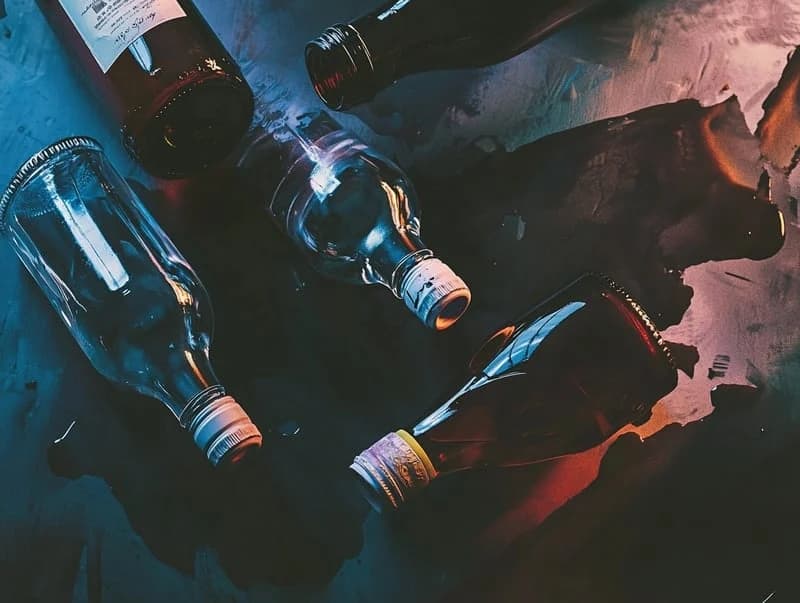
Alcoholism

7 days

This 7-day Bible study is a journey to healing, hope, and lasting freedom through the power of God's Word. Each day, you'll explore the Bible that talks about your struggle, gain insights from faith, psychology, and science, and take practical steps toward recovery. Whether you're just starting out or you've been on this path for a while, this study is here to remind you: God sees you, He loves you, and He wants to walk with you into a life of renewal and power. You don't have to fight this battle alone – healing is possible, and it starts today.

Start this plan in Bible Chat

The plan is free to read here. In the app it arrives one day at a time, with the full passage and audio.

What the plan covers

  1. Day 15 min

    Acknowledgment of the need for assistance

    Passages: John 8:36 · Lamentations 3:40

    One of the biggest obstacles to overcoming alcoholism is denial. Many people believe that they can stop drinking at any time, only to find themselves in a cycle of addiction. Recognizing the problem is the first step to healing. Jesus offers true freedom, not only from sin, but from any fortress that keeps us in bondage. Alcoholism is both a physical and mental struggle. Science confirms that addiction alters the brain's reward system, making it increasingly difficult to quit without intervention. But the Bible teaches us that transformation is possible when we turn to God. The first step of Alcoholics Anonymous (AA) reflects this truth: the admission that we are powerless against alcohol and that our lives have become uncontrollable. The good news is that we don't have to get stuck—God offers a way out. Facing the truth can be painful, but it is necessary for healing. The enemy wants us to remain in darkness, but Jesus calls us into the light, where salvation begins. No matter how long you've struggled, God's grace is greater than your addiction. Reflection: What excuses have you used to justify your drinking? How has alcohol affected your relationships, health, and faith? Practical steps: Write down how alcohol has negatively affected your life. Ask God for the courage to be honest with yourself. Tell them about your problems with a trusted friend, mentor, or pastor. Prayer: Lord, help me to see my addiction for what it is. Give me the courage to be honest with myself and to seek the freedom you offer. In the name of Jesus. Amen.
  2. Day 25 min

    Devotion to God

    Passages: 1 Peter 5:7 · 2 Corinthians 12:9

    Many people believe that overcoming addiction is a matter of willpower. But if willpower alone could defeat alcoholism, no one would struggle with it. True freedom comes when we stop trying to control everything and surrender to God. The second step of Alcoholics Anonymous (AA) is in line with this biblical truth: We realize that only a power greater than ourselves can bring us back to our senses. Neuroscience shows that addiction physically alters the brain, making it difficult to resist cravings. However, the brain is also capable of healing, especially when it is coupled with spiritual renewal. Surrendering to God does not mean giving up; it means trusting Him to show the way. His grace is enough, even when we feel weak. The process of surrender can feel uncomfortable. It takes humility to admit that we need help. But Jesus invites us to lay down our burdens and trust in His care. When we surrender our addiction to God, He strengthens us to walk the path of recovery. Reflection: Where in your life are you still trying to get your addiction under control on your own? What would true devotion to God look like for you? Practical steps: Pray a simple prayer of devotion every morning: "God, I can't do this alone. Please help me." If you are tempted to drink, stop and ask for God's strength. Replace negative self-talk with God's truth about His grace and power. Prayer: Father, I surrender my addiction to You. I recognize that I can't do this alone. Fill my weakness with your strength and lead me on the path of healing. In the name of Jesus. Amen.
  3. Day 35 min

    Breaking the chains of shame

    Passages: Romans 8:1 · Psalm 103:12

    Shame is one of the biggest obstacles to recovery. Many who struggle with alcoholism feel unworthy of God's love and believe that they can no longer be saved. But the Bible is clear: Those who are in Christ are free from condemnation. God does not define us by our past, but by His grace and salvation. Psychology confirms that shame fuels addiction. When people feel unworthy or hopeless, they seek relief in alcohol, creating a vicious cycle. The more they drink, the more ashamed they feel. The more they are ashamed, the more they drink. To free ourselves from addiction is to reject the lie that we are beyond God's grace. Scripture teaches that God is as far away from our sins as the East is from the West. He does not hold our past against us. If God has forgiven us, we must also learn to forgive ourselves. Healing begins when we accept God's love and walk in His grace. Reflection: What mistakes or regrets from the past keep you trapped in shame? How does God's forgiveness change your self-image? Practical steps: Write down the lies that shame tells you (e.g., "I am a failure") and replace them with God's truth (e.g., "I am a new creation in Christ"). Confess your struggles before God, knowing that He already loves you and forgives you. If possible, start making amends for those you've hurt with humility and honesty. Prayer: Lord, I refuse to let shame rule me. Thank you for your forgiveness. Help me to walk in freedom, knowing that I am loved and redeemed. In the name of Jesus. Amen.
  4. Day 45 min

    The Battle of the Spirit

    Passages: Romans 12:2 · 2 Corinthians 10:5

    The fight against alcoholism is not just physical – it is deeply connected to the mind. Negative thoughts, false beliefs, and deep emotional wounds can drive addiction. Many people drink to escape stress, pain, or self-loathing. However, God calls us to renew our spirits and replace the lie with His truth. Neuroscience confirms that addiction reshapes the brain's neural pathways and reinforces destructive habits. But the good news is that the brain has neuroplasticity – the ability to change and heal. Just as alcohol rewires the brain for addiction, new thought patterns and belief patterns can rewire it for healing. That is why Scripture tells us to capture every thought. The more we focus on God's truth, the more our minds are renewed. Recovery is a daily struggle. Temptations will come, and old patterns of thought will try to return. But when we focus on God's promises, we shift our thinking from despair to hope. Instead of believing, "I will never change," replace it with "I can do all things through Christ who strengthens me" (Philippians 4:13). Victory begins in the mind. Reflection: What lies about yourself or your addiction did you believe? How can you replace these lies with God's truth? Practical steps: Identify negative thoughts and counter them with the Bible. Spend time daily in God's Word to renew your spirit. Speak words of life about yourself: "I am a child of God. I'm not defined by my past." Prayer: Father, renew my mind with Your truth. Help me to capture every thought and replace lies with Your promises. In the name of Jesus. Amen.
  5. Day 56 min

    The power of community

    Passages: 1 Thessalonians 5:11 · Ecclesiastes 4:9-10

    On the way to overcoming alcoholism, building a strong support system is paramount. Ecclesiastes 4:9-10 teaches us that companionship and support are essential. When we have someone who walks by our side, our efforts are more fruitful and we draw strength from each other. If one falls, the other is there to lift him up. This section highlights the beauty of mutual support and the dangers of isolation. It reminds us that we are not meant to go through life alone, especially in difficult times. Addiction thrives in isolation. Many people who struggle with alcoholism withdraw from their loved ones out of shame or fear of judgment. But the Bible teaches that healing happens in community. We were never meant to fight our battles alone. Alcoholics Anonymous (AA) emphasizes the importance of support groups because recovery is more effective when we go with others. Science backs this up – studies show that a strong support system significantly increases the chances of long-term sobriety. God created us to bear each other's burdens and to build each other up. A godly community offers encouragement, responsibility, and love. It's a place where we can be honest without fear of rejection. James 5:16 tells us, "Confess your sins to one another, and pray for one another, that you may be healed." Confession and prayer in a safe environment bring freedom. When we surround ourselves with people who point us to Christ, we find strength to keep going. Reflection: Who in your life supports your journey to recovery? Who do you have to turn to for an account? Practical steps: Participate in a Christ-centered recovery group or Bible study. Be honest with a trusted friend or mentor about your problems. Find someone who will accompany you on this journey and encourage each other. Prayer: Lord, thank you for putting people in my life to walk this journey with me. Help me build strong, godly connections that promote my healing. In the name of Jesus. Amen.
  6. Day 67 min

    Develop healthy habits

    Passages: 1 Corinthians 6:19-20 · 1 Timothy 4:8

    Today, we're going to focus on the importance of developing healthy habits as we continue on our path to recovery. The Bible reminds us that our bodies are temples of the Holy Spirit. In 1. In Corinthians 6:19-20, Paul writes, "Or do you not know that your body is the temple of the Holy Spirit, which is in you, which you have from God, and you are not your own? For you have been bought at a price; therefore glorify God in your body and in your spirit, who are God's." This passage emphasizes the value God places on our physical bodies and the importance of treating them with respect and care. When we honor God with our bodies, we acknowledge that it is not only our own, but that it is a gift from God that is meant to be cherished and cared for. Maintaining a healthy lifestyle through proper nutrition, regular exercise, and adequate rest is one way to honor God. Developing these habits can also have a profound impact on our mental and emotional well-being, both of which are crucial for sustainable recovery. In 1. At Timothy 4:8, Paul also emphasizes the importance of physical and mental discipline: "For physical exercise profiteth a little, but godliness profiteth all things, because it has promises of the life that is now and of what is to come." While physical exercise is beneficial, Paul points out that spiritual training is even more valuable. Spiritual disciplines such as prayer, Bible study, and worship can help us draw closer to God, give us strength and guidance, and strengthen us on our path to recovery. Developing healthy habits takes time, effort, and consistency. It may require us to change our daily routines, seek support from others, and continue to commit to our goals. However, the benefits of these habits are immense. By taking care of our bodies and cultivating our spiritual lives, we equip ourselves with the tools we need to stay sober and live a full, God-honoring life. Reflection: Today, think about how you can develop healthier habits in your life. Ask God to guide you through these changes and give you the strength and perseverance you need to see them through. Remember that your body is a temple of the Holy Spirit, and by caring for it, you are honoring God and supporting your path to recovery." Practical steps: Start your day with God – pray, read the Scriptures, and entrust your day to Him. Prioritize physical health – Eat well, exercise, and get enough sleep to aid your recovery. Stay connected – Surround yourself with supportive, faith-filled people who will help you grow. Prayer: Help me honor you by building healthy habits. Give me strength, discipline and wisdom to take care of my body and mind. Guide me daily in decisions that lead to healing and growth. In the name of Jesus. Amen
  7. Day 76 min

    Life in freedom

    Passages: John 8:36 · Philippians 1:6

    The process of living in freedom requires that we constantly renew our minds and hearts with God's Word. As we delve into the Scriptures, we strengthen our new identity in Christ and equip ourselves to resist temptation. This includes daily prayer, meditation on the Word, and being surrounded by a supportive community that encourages us on our journey with Christ. In this way, we strengthen our resolve to live in the freedom that Christ has given us. Living in freedom also means walking in the Spirit and allowing the Holy Spirit to guide our actions and decisions. As we surrender to the Holy Spirit, we develop the fruits of the Spirit, such as love, joy, peace, and self-control, which help us stay sober and live a life that honors God. It is a path of continuous growth and trust in God's power and not in our own. True recovery isn't just about quitting drinking. it is about walking in the freedom that Christ gives. Many people fear relapse, but God is faithful to complete the work He has begun in you. Recovery is a journey, not an event. Jesus offers not only sobriety, but life in abundance. Science shows that new, healthy habits can rewire the brain, just as addiction once did. When we replace old patterns with prayer, the Bible, and meaningful relationships, we become stronger. Their testimony is powerful. God can use your journey to inspire and help others. Don't let fear hold you back – walk courageously in the new life that Christ has given you. Reflection: How can you continue to grow in freedom? How can your testimony help others who are struggling? Practical steps: Continue to seek God daily through prayer and scripture. Serve others—Your testimony can encourage someone else to recover. Celebrate your progress and thank them for every victory. Prayer: Lord, thank you for setting me free. Help me to walk in victory and use my history to glorify you. In the name of Jesus. Amen.