International
Pas cu Pas Children Put Their Financial Education Into Practice with a Trip They Planned Themselves
Published on
Apr 16, 2026
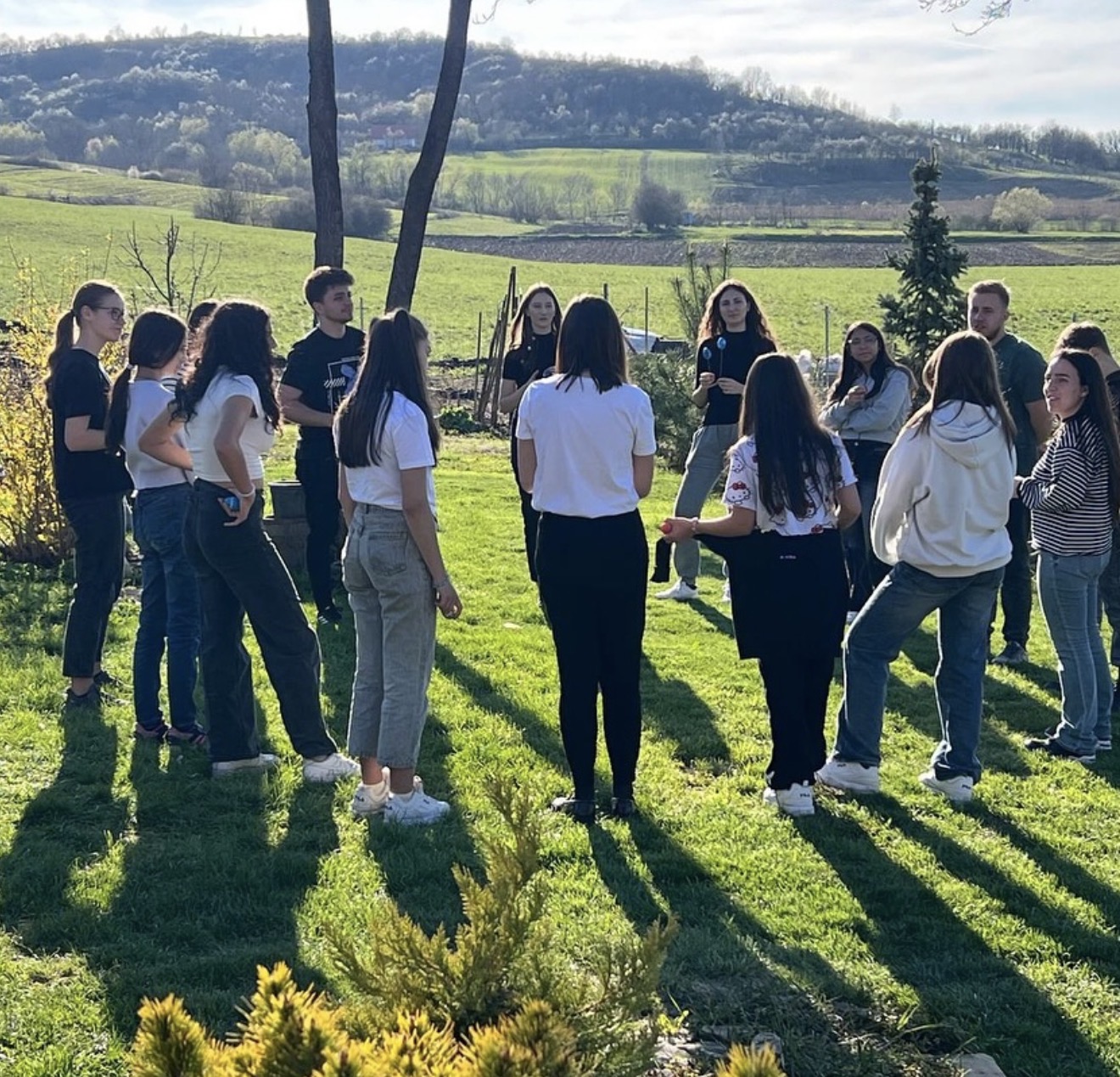
This April at Pas cu Pas Foundation in Borșa, the children turned a classroom lesson into a real day. Months after attending financial education seminars with Money Wise Kids, they were given the chance to apply what they had learned — planning a trip themselves, building the budget, and making the day happen. What they discovered was bigger than money: they discovered they are capable of shaping their own lives.
This April at Pas cu Pas Foundation in Borșa, the children took everything they had learned and turned it into a day. Some time ago, the children at Pas cu Pas attended financial education seminars led by Money Wise Kids — sitting through lessons on budgeting, planning, and stewardship that, for many young people, can feel abstract and far away. This month, they got to prove the lessons were real. They planned a trip themselves. They built the budget. They made the day happen.
There is a particular beauty in watching a child move a lesson from theory into practice. Not because the trip was elaborate or the budget complex, but because something quiet had taken root: the understanding that what you learn in a classroom can shape what you do in the world. A child who plans a real day, with real numbers and real outcomes, becomes a different kind of child — one who knows that effort and forethought lead somewhere good.
From Classroom to Real Life
The Money Wise Kids program teaches children financial literacy through hands-on learning rather than abstract lessons. When the children at Pas cu Pas attended those seminars, the goal was always that the lessons would not stay on the page. April was the proving ground. The children planned a trip in detail — managing the budget for transport, food, activities, and the small contingencies that even adults often forget. They thought about what would make the day enjoyable for everyone. They made decisions, weighed trade-offs, and saw the project through.
When the day arrived, the result was right there in front of them. Picnic tables under bare spring trees. Pizza boxes opened. Water bottles passed down the benches. A wheelchair pulled up alongside the others, because at Pas cu Pas every table is the same table. The children fed chickens, held rabbits curled in the warm cup of a beanie, climbed onto a horse-drawn cart, and explored the farm together. The day they had built on paper became a day they got to live.
This is what financial literacy is meant to do. Not produce children who can recite definitions, but produce children who know they can plan, decide, and execute. For young people who have known hardship — children for whom so much of life has felt outside their control — that shift is not academic. It is foundational. To plan something good and watch it actually happen is to learn, in your bones, that you are capable of shaping your own life.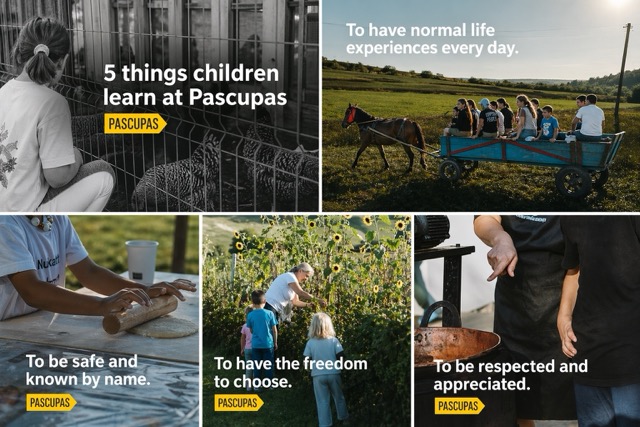
Five Things Children Learn at Pas cu Pas
Pas cu Pas — "step by step" in Romanian — has long understood that some lessons cannot be taught from a textbook. They have to be lived. This month the foundation also shared a content series describing five of those lessons, the quiet ones that shape children most:
That they have the freedom to choose. That they are seen and known by name. That their accomplishments are noticed and appreciated. That they get to live the normal experiences of everyday life — feeding chickens, riding in a horse-drawn cart, kneading dough on a wooden board, picking raspberries among the sunflowers. And, woven through all of it, that they belong.
For children growing up in vulnerable circumstances, these are not small things. They are the architecture of a self that will one day stand on its own. The April trip was a perfect expression of those five lessons in practice: children given the freedom to choose how the day would go, recognized for what they accomplished, and trusted to live a normal, joyful experience of everyday life — one they had built themselves.
Why It Matters
It would have been easy to bring these children on a trip planned by adults. Loaded onto a bus, handed a schedule, told where to sit and what to eat. That is how most days are organized for children in their circumstances. But Pas cu Pas and Money Wise Kids did something different. They taught the children, then trusted them. They handed over the planning. And the children rose to it.
That kind of trust is itself a form of dignity. When you let a child build the day, you tell that child: you are capable, your decisions matter, and the world will respond when you take responsibility for it. For an orphan, who may have spent much of life on the receiving end of other people's planning, this reversal is profound. The day was not given to them. They made it.
About Our Partnership
Open Soul Foundation is proud to sponsor Pas cu Pas Foundation and to contribute to the wonderful ministry they carry out in Romania, step by step, child by child. The work belongs to Pas cu Pas — the relationships, the daily presence, the patient formation of children who deserve to be seen. We are simply honored to come alongside and help make it possible.
Open Soul Foundation was here.
"Train up a child in the way he should go, and when he is old he will not depart from it." Proverbs 22:6 (NKJV)
Biblical Wisdom, Straight to Your Inbox!
Join a growing community diving into how the Bible continues to impact our world—from historical movements to scientific ideas and everyday life.
*You can unsubscribe at any time.